

Madrid is walkable, full of open plazas where kids can run free, and built around a culture that actually welcomes children into everyday life. It’s a culture of late dinners, long park hangs, and zero pressure to rush.
Spending a couple of days here with kids gives you the perfect mix: big, wow-worthy sights like palaces and museums balanced with simple, real moments like kicking a soccer ball in a square, sharing churros, or boating in the park. It’s a beautiful, delicious and friendly place to explore.
While you’re there, apps like Sitly and Babysits are widely used in Spain. Check out Cerca’s not-to-miss restaurants for when you need a parent’s night out!
1. Run Wild in El Retiro Park (Madrid’s Backyard)
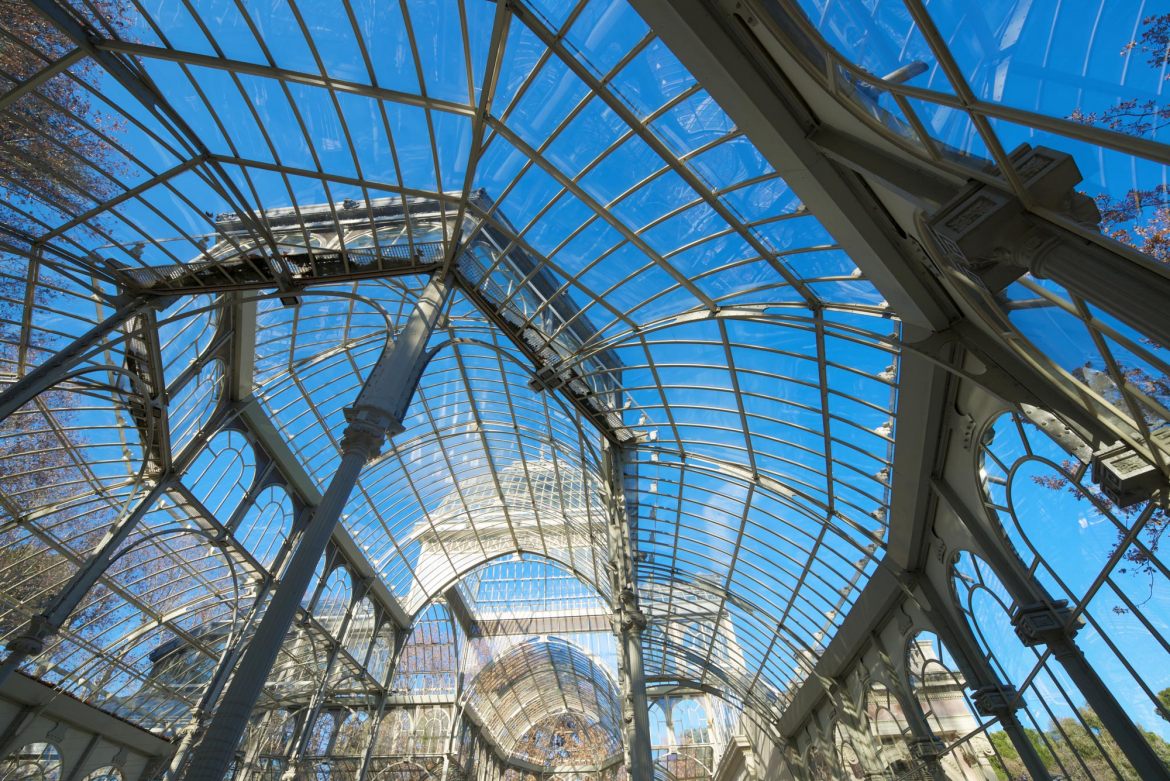
If Madrid had a heartbeat, it would be El Retiro Park.
Once the private playground of Spanish royalty, El Retiro Park has evolved into something far more democratic, and honestly, way more fun. Originally created in the 17th century for King Philip IV as part of the Buen Retiro Palace complex, this massive green space only opened to the public in the late 19th century, and today it’s where Madrid truly breathes.
You’ve got grand tree-lined avenues, hidden gardens, street performers, and the iconic boating lake where families drift under the shadow of the Alfonso XII monument like it’s a scene out of a movie. The park is also home to architectural gems like the glass-walled Crystal Palace, originally built to showcase exotic plants during Spain’s colonial era: a subtle reminder of the country’s global history.
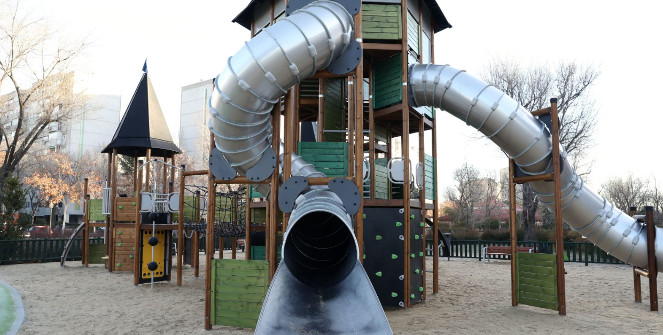
Kids can:
- Row boats on the lake (yes, like a mini Venetian moment)
- Watch puppet shows and street performers
- Explore playgrounds tucked into shady corners
- Run, without you worrying about traffic
👉 Cerca Tip: Rent a rowboat early in the morning or golden hour. Midday gets packed.
2. Step Into Royal Life at the Palace
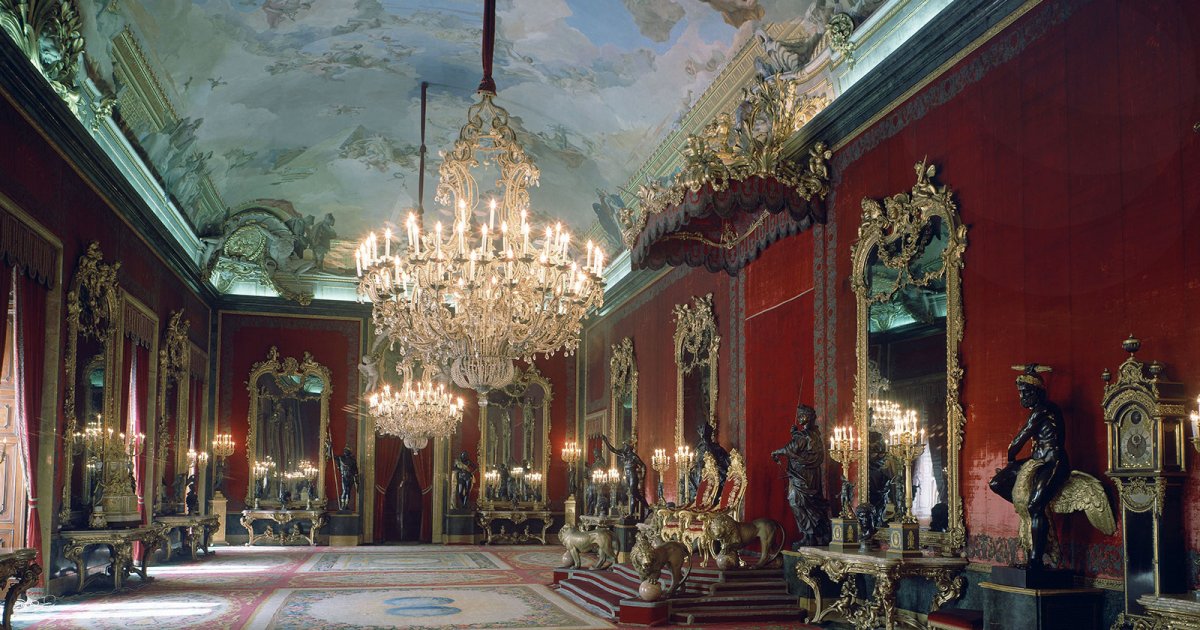
The Royal Palace of Madrid is straight-up storybook energy.
Towering over the western edge of the city, the Palace was built in the 18th century on the site of a former Moorish fortress (which burned down on Christmas Eve in 1734 – talk about timing), and was palace was commissioned by King Philip V, the first Bourbon ruler of Spain, to rival the grandeur of places like Versailles.
With over 3,000 rooms, it’s one of the largest royal palaces in Europe, designed to project power, stability, and a new era for Spain after centuries of Habsburg rule. While the Spanish royal family doesn’t actually live here today, the palace is still used for official ceremonies, which keeps it very much alive. Inside, it’s all frescoed ceilings, velvet-lined walls, royal armor, and rooms that feel like they were built to impress visiting empires.
But beyond the opulence, the palace tells a deeper story, of Spain’s layered identity, from its Islamic past to its rise as a global colonial power. Walking through it with kids feels like stepping into a real-life history book… just with way better lighting and way more gold.
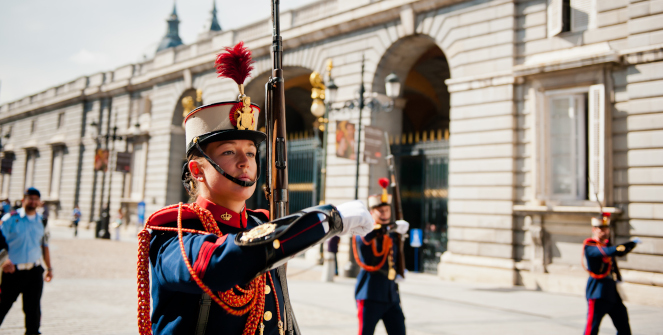
Kids will love:
- The insane throne room (gold everywhere)
- Royal armor and weapons
- The Changing of the Guard (timed like a show)
🏛️ Cultural note: Spain’s layered history (Islamic, Christian, royal) is all baked into this place. Great intro to real-world history without it feeling like school.
3. Plaza Mayor
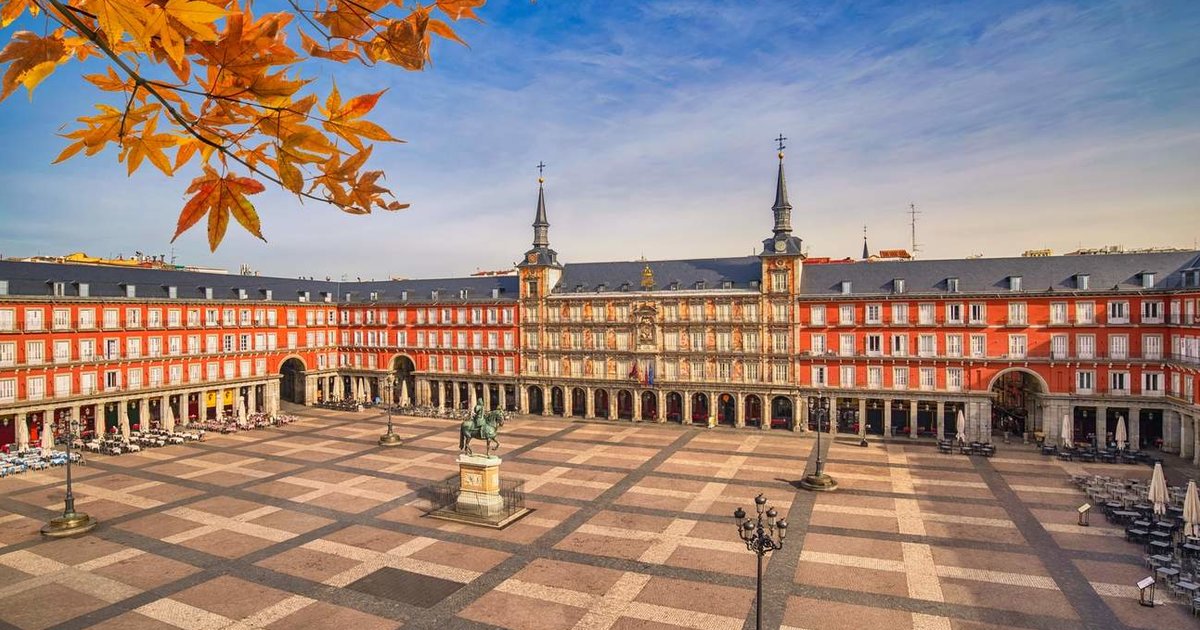
At the heart of old Madrid, Plaza Mayor has been the city’s main stage since the early 17th century. Built during the reign of King Philip III (whose statue still stands in the center like he’s supervising the chaos), the plaza replaced an older medieval market space just outside the original city walls. Back then, this wasn’t just a pretty square, it was where life (and sometimes death) played out.
Public markets, royal celebrations, bullfights, theatrical performances, and even executions during the Spanish Inquisition all happened right here. Fires destroyed the square multiple times over the centuries, but each rebuild kept its iconic uniform design – those red facades, arched walkways, and enclosed symmetry that make it feel like stepping into a time capsule.
Today, the energy is way lighter 🙂 street performers, cafés, and families lingering late into the evening. But you should pause for a second and see if you can feel the layers of history under your feet.
What to do:
- Grab a table and let kids roam (Spanish parenting energy)
- Watch street artists and musicians
- Try a bocadillo de calamares (fried squid sandwich)
🌍 Responsible travel: Skip chain spots. Support small, family-run cafes around the square.
4. Ride the Teleférico for a Sky-High View
The Teleférico de Madrid is basically a gondola ride over the city. It’s a tourist classic sure, but for good reason.
It connects the city center to Casa de Campo, Madrid’s massive parkland (once royal hunting grounds). You’ll glide over treetops with insane views.
Why it works:
- It’s short, sweet, and feels like an adventure
- Gives kids a break from walking
- Ends in nature, where they can decompress
👉 Pair it with a picnic in Casa de Campo for a low-key reset moment.
5. FUTBOL IS LIFE (especially in Madrid)
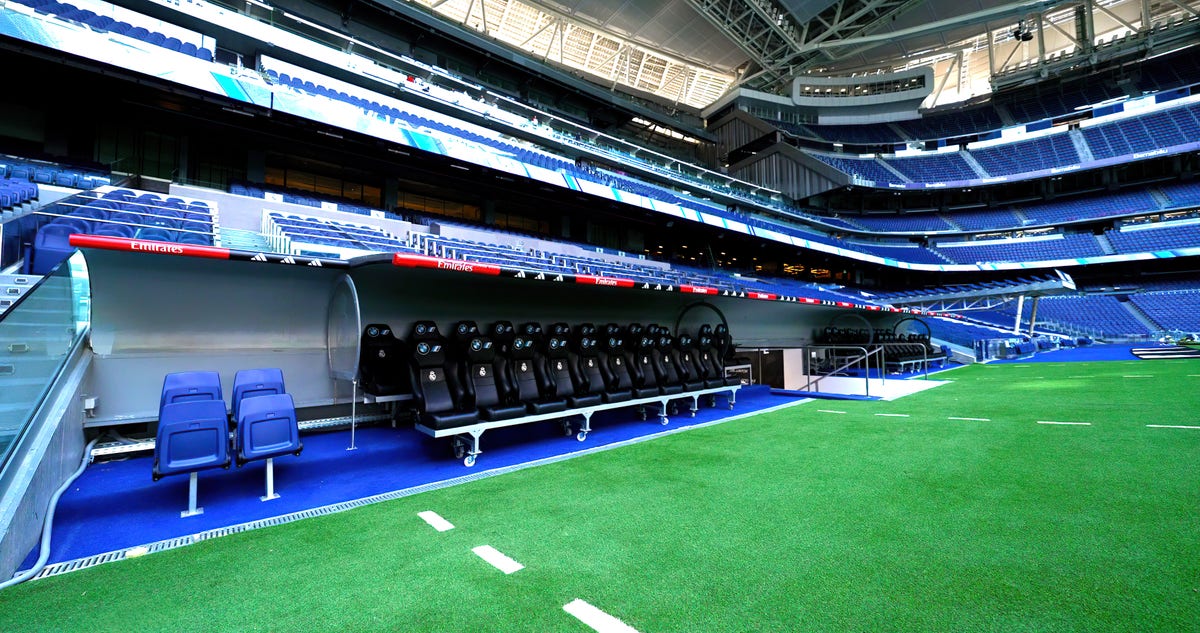
Even if your kids aren’t die-hard fans, visiting Bernabéu Stadium is an experience.
Home to Real Madrid, one of the biggest clubs on earth, this is where global soccer culture comes alive. You’ll see the iconic white jerseys all over the city. Even if you can’t get tickets to a match (as it’s one of the hardest tickets to get in Europe) it’s worth touring the stadium to get a glimpse of one of Spain’s crown jewels (no shade, Barca).
Then find a bar or a cafe to watch the match surrounded by fanatic locals – it’s energy unlike anything you’ll find in the States.
Tour Highlights:
- Trophy room (it’s stacked)
- Walking through the tunnel like a pro
- Dugouts where the players sit and the locker rooms
- Depending on the tour – you can check out the press room
👉 Local move: Get a ball (and a jersey) and let kids play pickup in nearby plazas. That’s the real Madrid.
6. Eat Your Way Through Mercado de San Miguel

Food hall but make it iconic: Mercado de San Miguel.
Just steps from Plaza Mayor, the Mercado de San Miguel tells the story of Madrid’s evolution through food. Originally opened in 1916 as a traditional neighborhood market, it replaced an open-air market that had existed on the same site for centuries, serving locals who came daily for fresh produce, meat, and fish. Its elegant iron-and-glass structure, which is one of the few surviving examples of that industrial architectural style in Madrid, was designed to bring hygiene and modernity to food shopping in the early 20th century.
But by the late 1900s, like many traditional markets, it began to decline as supermarkets took over. Instead of disappearing, though, it reinvented itself in the early 2000s as a gourmet food hall, transforming into a place where you can taste Spain in one walk-through: tapas, jamón, seafood, sweets, all under one roof.
Today, it’s a mix of old and new: the bones of a historic market with the energy of a social gathering space. While it’s definitely more polished (and pricier) than its working-market roots, it still reflects something very Madrid.

Kid-friendly wins:
- Churros + chocolate (non-negotiable)
- Croquetas
- Fresh fruit juices
🍽️ Cultural respect: Spanish dining is social and slow. Don’t rush it.
7. Explore Ancient Egypt… in Madrid
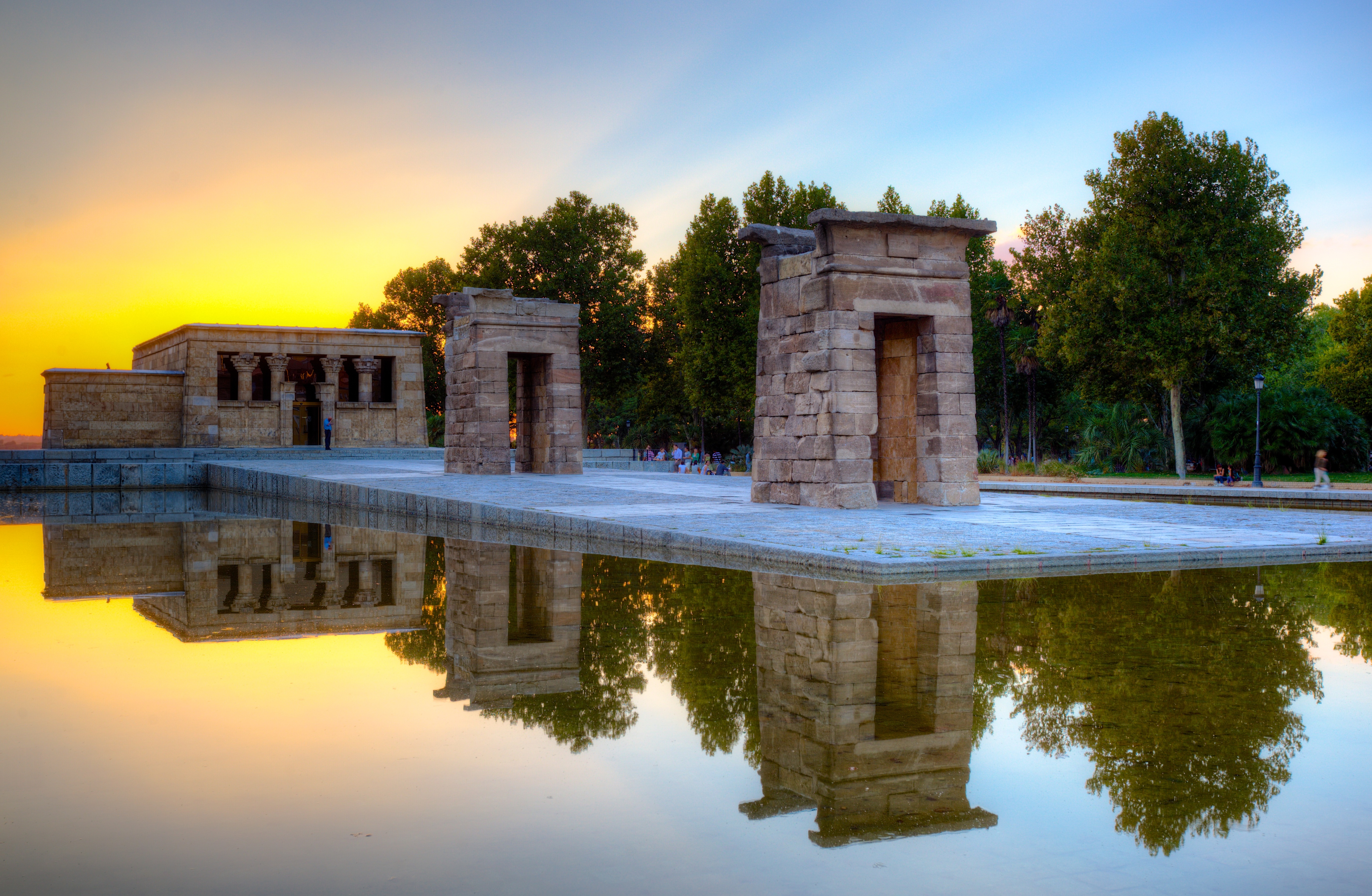
Madrid has a real Egyptian temple.
Temple of Debod was originally built over 2,000 years ago in southern Egypt, near Aswan, during the reign of King Adikhalamani of Meroë and later expanded by the Ptolemies and Romans. It was dedicated to the gods Amun and Isis, so very much rooted in ancient Egyptian spiritual life.
Fast forward to the 1960s: Egypt was building the Aswan High Dam, which would flood large areas of Nubia and submerge countless ancient monuments. UNESCO launched a massive international campaign to save these sites, and Spain stepped in to help fund and support the rescue effort (alongside countries like the U.S. and Italy).
As a thank-you, Egypt gifted Spain the Temple of Debod in 1968.
Spain carefully dismantled the temple stone by stone, shipped it to Madrid, and reconstructed it in what is now Parque del Oeste, opening it to the public in 1972. They even oriented it to roughly match its original east-west alignment in Egypt, so the symbolism of the sun still holds.
👉 Go at golden hour. Trust.
8. Slow Down in a Neighborhood Like Malasaña
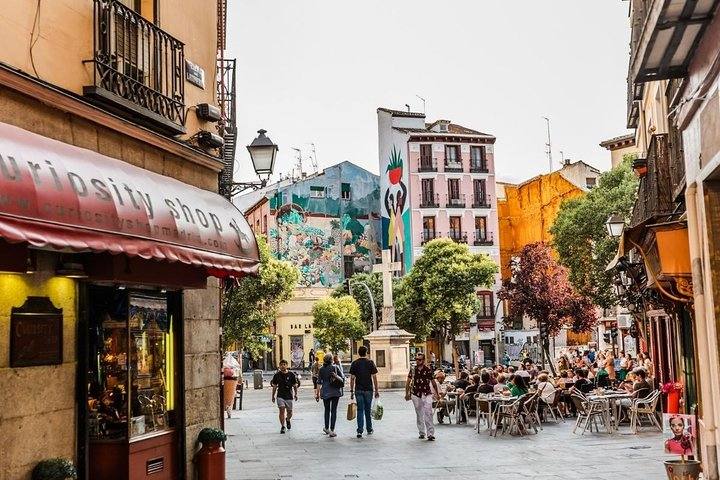
Skip the checklist for a minute and just live Madrid in Malasaña.
This neighborhood was the heart of the “Movida Madrileña” (a cultural explosion after Franco’s dictatorship ended in the late 1970s). Today, it’s indie, creative, and full of life.
The plan is simple: don’t have one. This is Madrid’s indie soul, gritty, creative, and full of personality, so the best experiences come from wandering. Start by exploring its street art and vintage shops (places like Magpie Vintage are local favorites), where teens can dig for one-of-a-kind pieces instead of generic souvenirs.
For snacks, lean into casual and local: grab a flaky pastry or bocadillo from a neighborhood bakery, then settle into a plaza like Plaza del Dos de Mayo, where kids can play while you sip a coffee or vermouth like a true Madrileño.
When it comes to eating, Malasaña keeps it fun and unfussy. Think creative tapas, global street food, and some of the best churros in the city at spots like Chocolatería San Ginés (worth the short walk). The vibe here is all about independence and expression, born from the post-dictatorship cultural explosion known as the Movida Madrileña, so the real move is to slow down, support small local businesses, and let your kids experience a side of Madrid that feels lived-in, not staged.
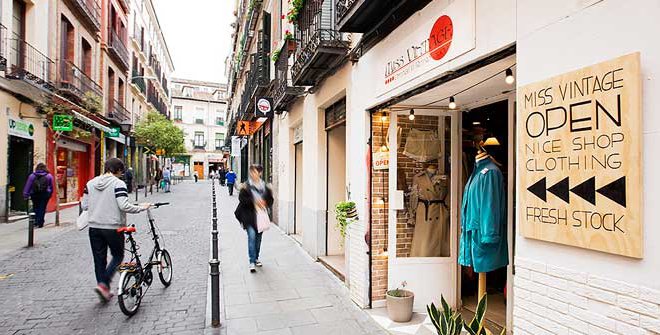
What to do:
- Grab snacks from a local bakery
- Let kids play in neighborhood plazas
- Browse vintage shops and street art
ENJOY!