

Because the new status symbol for families isn’t Luxury travel. It’s Cultural Fluency.
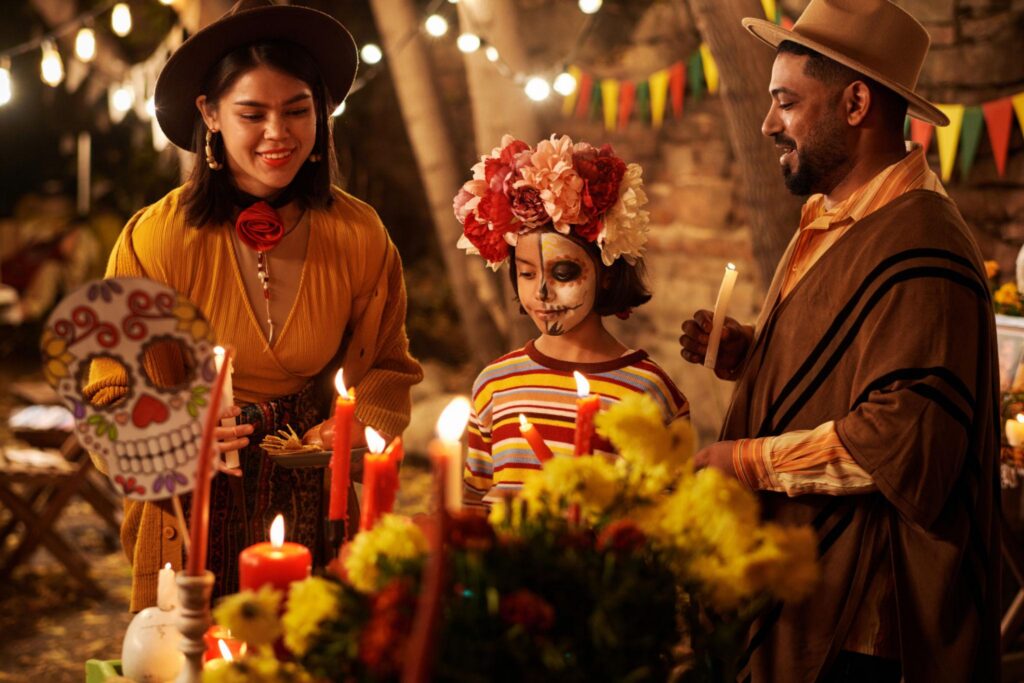
Here’s 6 Short-Form Experiences That Build Global Skills Kids Will Need for the Future
One of the biggest myths in family travel is that meaningful cultural immersion requires quitting your job, homeschooling your kids, and backpacking for six months.
It doesn’t.
The truth is, some of the most transformational experiences for children happen in single afternoons. A shared meal. A local celebration. A conversation in another language. Learning to navigate a market where nothing feels familiar. Sitting at a table realizing another family’s version of “normal” is completely different from yours.
And increasingly, these moments matter.
Because the world today rewards something many schools still struggle to teach: cultural fluency. The ability to understand different perspectives, communicate across cultures, adapt socially, and navigate unfamiliar environments with confidence and empathy.
That’s becoming the real competitive advantage.
Not just for getting jobs someday, but for becoming the kind of human who can thrive in a globally connected world. Here’s the good news: you don’t need a gap year. You need intentionality.
Here are six powerful cultural experiences families can do in a single day or a few days at most. Experiences that teach kids adaptability, emotional intelligence, communication skills, and global awareness far more effectively than another luxury resort vacation ever could.
1. Spend One Day Inside a Japanese Countryside Food Tradition

You do not need a two-week rural homestay to understand something profound about Japan.
Even one day in the countryside can completely reshape how children think about food, work, community, and respect.
Outside cities like Kyoto or Kanazawa, families can spend a day:
- planting rice
- harvesting vegetables
- making soba noodles
- preparing traditional meals
- or learning tea ceremony etiquette from local hosts
What kids absorb is bigger than the activity itself.
You want your kids to notice…
- how carefully things are done
- how much attention goes into hospitality
- how communal meals function
- and how Japanese culture values consideration for others

Ideal Time Frame
1 day or overnight stay.
Best Time of Year
Spring and autumn are ideal.
Experiences
Budget Hack
Stay in Kyoto or Osaka and do countryside day trips by regional rail instead of moving hotels constantly.
Safety Considerations
Japan is exceptionally safe, but prepare children for:
- removing shoes indoors,
- quiet public behavior,
- and unfamiliar foods or sleeping styles.
Why This Matters
Kids who experience cultures with different social norms become more adaptable and emotionally perceptive, two skills AI cannot automate.
2. Take a Family Cooking Class in Morocco During Ramadan

A single evening in Marrakech during Ramadan can teach children more about empathy, ritual, and community than weeks inside a resort bubble.
Book a family cooking class timed around iftar, the evening meal when families break the daily fast.
Kids experience:
- markets coming alive at sunset
- families gathering together
- food as ritual
- and hospitality as cultural identity
For many Western children, this may be their first exposure to a Muslim-majority society outside headlines or stereotypes.
That matters enormously.
Children who grow up with firsthand cultural understanding are less fearful of difference and more capable of navigating diverse environments later in life.

Ideal Time Frame
One evening.
Best Time of Year
During Ramadan (moves yearly).
Experiences
Budget Hack
Street food during Ramadan is incredible and inexpensive. Avoid luxury riads and stay in smaller guesthouses inside the medina.
Safety Considerations
Medinas can overwhelm younger children. Keep valuables secure and establish clear family meeting points.
Why This Matters
Future leaders will need to collaborate across religions, cultures, and identities. Exposure reduces fear. Curiosity builds confidence.
3. Spend a Day at a Local Market and Home Kitchen in Oaxaca

There’s a reason chefs, artists, anthropologists, and creative people are obsessed with Oaxaca.
The city is a masterclass in cultural continuity.
A single day here can include:
- shopping at traditional markets
- learning mole recipes
- making tortillas by hand
- hearing Zapotec cultural history
- and eating with local families
Kids immediately realize food isn’t just “something you order.” It carries migration, Indigenous identity, colonial history, economics, agriculture, and family memory.
That realization builds systems thinking: understanding how culture, history, and economics connect.

Ideal Time Frame
Half-day or full-day experience.
Best Time of Year
October–April.
Experiences
Budget Hack
Oaxaca remains much cheaper than many American tourist destinations. Street food is world-class and affordable.
Safety Considerations
Stick to organized transportation at night and supervise children in crowded markets.
Why This Matters
Children who understand where food, labor, and tradition come from often develop stronger appreciation, empathy, and cultural awareness.
4. Join a Conservation Project in Costa Rica for a Day

Environmental education hits differently when children physically participate in protecting something alive.
In Costa Rica, families can spend a single day:
- helping with turtle conservation
- planting trees
- working on regenerative farms
- or visiting wildlife rescue centers
Unlike passive tourism, these experiences teach children that ecosystems are interconnected, and that humans have responsibilities within them.
Importantly, they also show optimism and solutions instead of climate doomscrolling.

Ideal Time Frame
1 day.
Best Time of Year
December–April for easiest travel.
July–October for turtle nesting.
Experiences
Budget Hack
Avoid big-name beach resorts. Inland eco-lodges and local guesthouses are often cheaper and far more educational.
Safety Considerations
Watch ocean conditions carefully and follow wildlife interaction rules strictly.
Why This Matters
The next generation will inherit enormous environmental challenges. Kids who understand sustainability firsthand are better equipped to solve problems instead of simply fearing them.
5. Attend a Local Festival Instead of a Tourist Attraction

Tourist attractions often teach children to consume places.
Festivals teach them how communities express identity.
Whether it’s:
- a neighborhood festa in Italy
- Día de los Muertos in Mexico
- Holi celebrations in India
- or a local midsummer gathering in Sweden
children witness something essential: people organize meaning differently.
Music, food, religion, dance, memory, grief, joy, and community all vary across cultures.
That intellectual flexibility becomes increasingly important in a polarized, globally connected world.

Ideal Time Frame
One afternoon or evening.
Best Time of Year
Depends on festival calendar.
Experiences
Budget Hack
Festivals themselves are often free. Stay slightly outside city centers and use public transportation.
Safety Considerations
Large crowds require careful child supervision and agreed meeting points.
Why This Matters
Kids who learn that there are many valid ways to celebrate, mourn, worship, and gather become adults with stronger empathy and adaptability.
6. Do a One-Day Language Immersion Experience

One of the fastest ways to build confidence in children is forcing them — gently — to communicate outside their comfort zone.
That does not require fluency.
Even a single day where:
- kids order food in another language,
- navigate transportation,
- interview local shopkeepers,
- or complete a scavenger hunt abroad,
can dramatically change how they see themselves.
Language immersion builds:
- resilience,
- social confidence,
- communication skills,
- and tolerance for ambiguity.
Those are future-proof skills.
Ideal Time Frame
One day.
Best Destinations
- Barcelona
- Lisbon
- Antigua
- Montreal
Experiences
Budget Hack
You don’t need international airfare for this. Montreal, Miami, and parts of Southern California can provide meaningful bilingual experiences closer to home.
Safety Considerations
Prepare kids beforehand so they feel challenged, not embarrassed. The goal is confidence-building, not perfection.
Why This Matters
In the future workplace, the ability to communicate across cultures may matter more than technical specialization alone.

The Future Belongs to Adaptable Kids
The most valuable families in the next generation may not be the ones with the biggest houses or the most luxurious vacations.
They may be the ones raising children who know how to:
- navigate unfamiliar environments
- communicate with empathy
- understand different worldviews
- and feel comfortable outside their cultural bubble
That’s the new status symbol.
Not consumption.
Capability.
And the beautiful part is this: many of these experiences are cheaper than traditional luxury travel because the goal isn’t insulation from the world.
It’s connection to it.
The families who prioritize cultural fluency today are not just creating better vacations.
They’re preparing children for the kind of future that’s already arriving.
Cerca has hundreds of ideas for family-friendly experiences around the world, check out all the articles and sign up for Cerca Family Connect to create your own experiences that fit into any trip!