


A Day in the Life of a Roman Family
Morning in Rome kicks off with the soundtrack of espresso cups clinking and scooters buzzing through narrow cobblestone streets. Kids in backpacks zig-zag through piazzas chasing pigeons while parents grab a quick cornetto (Italy’s answer to the croissant) at the neighborhood bar. (Hint – try the pistachio-cream filled ones!)
School might start later than you expect, and lunch is sacred—families often gather for a proper meal before the afternoon heat slows the city down. By evening, Rome turns into one giant playground: children kick soccer balls in piazzas, grandparents sit on benches debating politics, and the smell of pizza al taglio floats through the streets.
Traveling with kids here doesn’t feel like dragging them through history—it feels like stepping inside it. Rome is basically a 2,000-year-old adventure park where emperors, gladiators, artists, and popes all left their mark. The trick is knowing where to go so kids can experience the city with curiosity rather than museum fatigue.
Check out our Rome: Play Here episode for even more great ideas – especially for tips on parks and gardens!
1. Explore the Colosseum Like a Gladiator
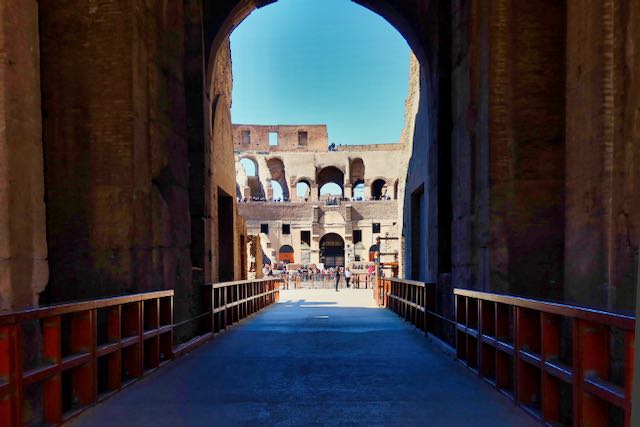
Standing inside the Colosseum feels like stepping onto the set of the world’s most dramatic sports arena. Built in 80 AD under Emperor Titus, this massive amphitheater could hold around 50,000 roaring spectators who came to watch gladiator battles, animal hunts, and theatrical spectacles that sometimes included flooded arenas and naval battles.
Kids instantly connect with the scale of the place. Imagine telling them: This stadium is almost 2,000 years old—and people came here for entertainment the way we go to soccer games.
Construction of the Colosseum began under Emperor Vespasian around 72 AD and was completed by his son Titus eight years later. The amphitheater was part of a political strategy by the ruling Flavian dynasty to win public support after the chaotic “Year of the Four Emperors.” The site had previously been occupied by the lavish palace lake of Emperor Nero. By replacing Nero’s private pleasure grounds with a massive public arena, the emperors symbolically returned land to the people of Rome.
The Colosseum’s underground chambers, called the hypogeum, once housed wild animals, stage sets, and gladiators waiting to rise into the arena floor via trapdoors. Touring these tunnels feels like exploring backstage at the Roman Empire’s biggest show.
Roman engineering is also on full display. The Colosseum’s clever use of arches allowed it to stand for millennia despite earthquakes, looting, and centuries of neglect.

Make the visit better
- Book a family-friendly guided tour with stories about gladiators. There are special tours for kids where you can visit “gladiator school” and learn to fight with wooden swords – see below!
- Visit early morning or late afternoon to avoid the heat.
- Pair the visit with the nearby Roman Forum for a full ancient Rome experience.
Nearby snack stop
Grab pizza by the slice at Antico Forno Serpenti.
Sustainable tip
Choose guides who emphasize the preservation of Rome’s fragile ruins—responsible tourism helps protect these sites for future generations.
2. Train at a Real Gladiator School
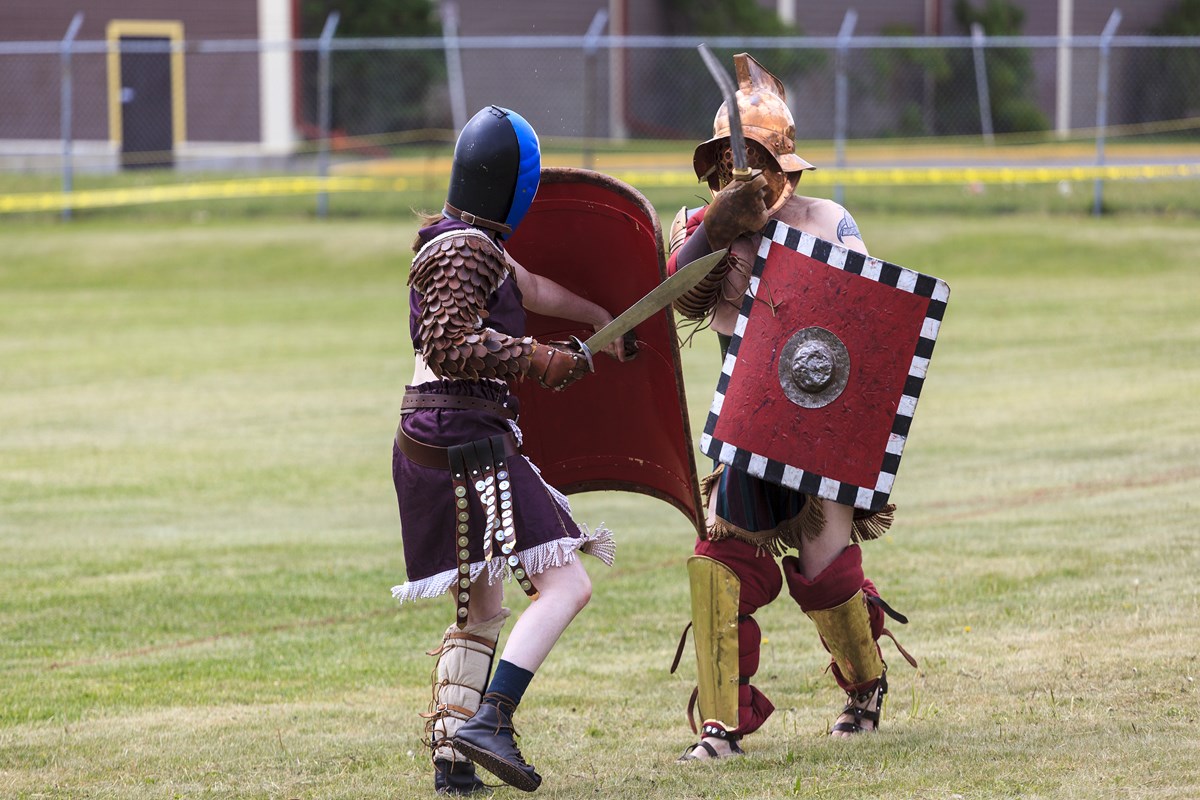
Few things beat the moment when your child puts on a gladiator tunic and helmet and learns how to fight like a Roman warrior.
At the Gruppo Storico Romano Gladiator School, instructors teach kids the basics of Roman combat—using wooden swords and historically accurate techniques. The experience blends physical activity with history, which means kids learn without realizing they’re learning.
In ancient Rome, gladiators trained in specialized academies known as ludi gladiatorii. These schools were often connected to major arenas like the Colosseum and operated almost like military barracks. Fighters practiced different combat styles depending on their armor and weapons—some carried nets and tridents, others heavy shields and swords.
While many gladiators were enslaved people or prisoners of war, some volunteers joined hoping to gain fame, wealth, or even freedom through victories in the arena.
The modern school recreates the environment in a safe and fun way, explaining how gladiators lived, trained, and sometimes earned their freedom.
Parent tip
This experience burns energy after sightseeing-heavy days.
Cultural respect note
Programs like this preserve interest in Roman history while supporting local historians and educators who keep ancient traditions alive.
3. Throw Coins into the Trevi Fountain

The Trevi Fountain is one of those places that makes kids stop and say: “Whoa.”
Completed in 1762, the fountain is a theatrical masterpiece of Baroque art, featuring Neptune riding a shell-shaped chariot pulled by sea horses. Water cascades down marble cliffs into a massive turquoise pool.
The fountain sits at the endpoint of the Aqua Virgo, an ancient Roman aqueduct originally built in 19 BC during the reign of Emperor Augustus. The aqueduct carried fresh spring water into the heart of Rome and supplied baths and fountains throughout the city. The dramatic Baroque fountain visitors see today was designed by architect Nicola Salvi in the 18th century and took over 30 years to complete, blending mythology, architecture, and engineering into one spectacular public monument.
Legend says tossing a coin over your shoulder guarantees a return to Rome.
And people take that seriously—visitors throw roughly €1.5 million per year into the fountain.
Here’s the cool part: that money funds food programs for the city’s poor, making this tradition surprisingly impactful.

Kid-friendly ritual
- Stand with your back to the fountain.
- Toss a coin with your right hand over your left shoulder.
- Make a wish.
Timing tip
Visit early morning or after 10 pm to avoid massive crowds.
Nearby treat
Gelato from Gelateria Valentino.
4. Ride Bikes Through the Appian Way

If Rome ever feels overwhelming, escape to the peaceful countryside along the Appian Way.
Built in 312 BC, the Appian Way was one of the most important roads in the Roman Empire. Soldiers, merchants, and emperors once traveled along these same massive basalt stones.
The Via Appia, often called the “Queen of Roads,” was one of the earliest and most strategically important roads built by the Roman Republic. Constructed in 312 BC by the censor Appius Claudius Caecus, it originally connected Rome to the southern city of Capua and later extended all the way to Brindisi on the Adriatic Sea. The road allowed Roman armies to move quickly across the peninsula and helped expand trade networks throughout Italy and the eastern Mediterranean.
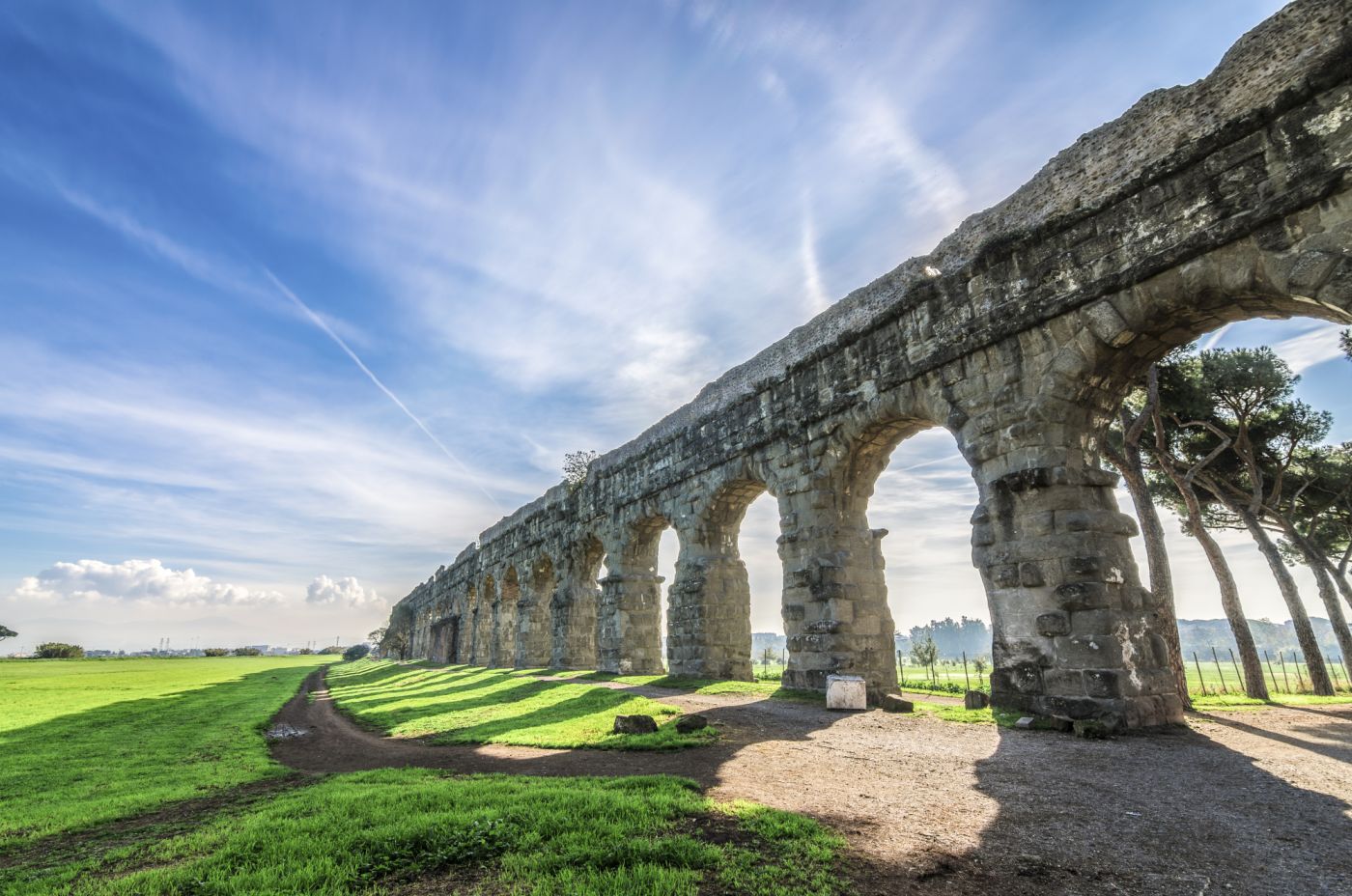
Today the road sits inside a huge park where families can rent bikes and ride past:
- Ancient tombs
- Roman aqueducts
- Catacombs
- Rolling farmland
It’s one of the most relaxing ways to explore Roman history.
Why kids love it
- Freedom to bike instead of walk
- Space to run and explore
- Real ancient ruins everywhere
Sustainable travel tip
Cycling is one of the most environmentally friendly ways to explore Rome—and the park helps protect historical landscapes from urban development.
5. Make Pizza with a Roman Chef
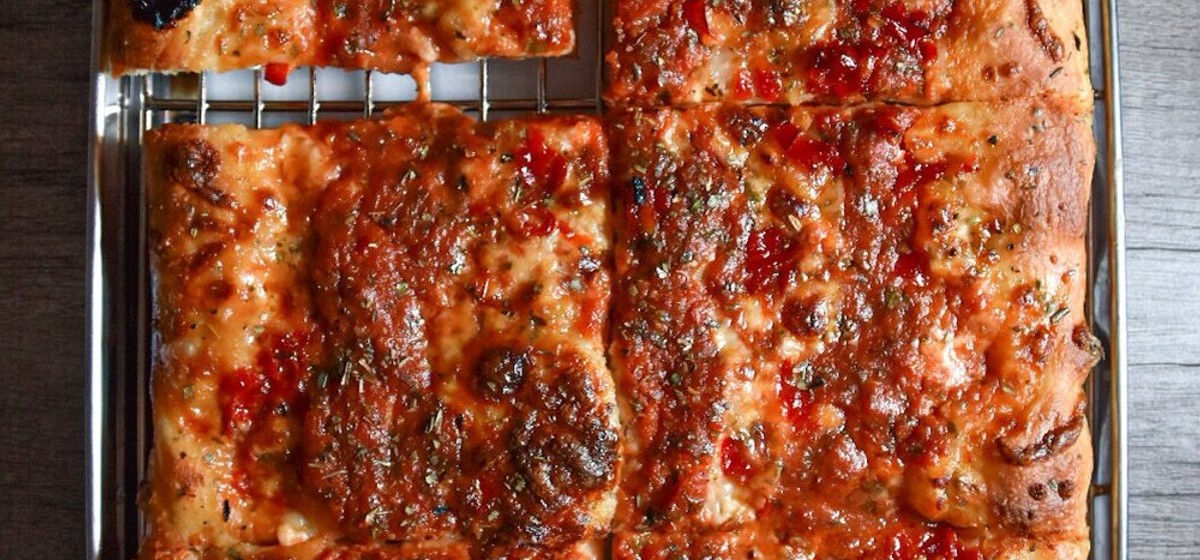
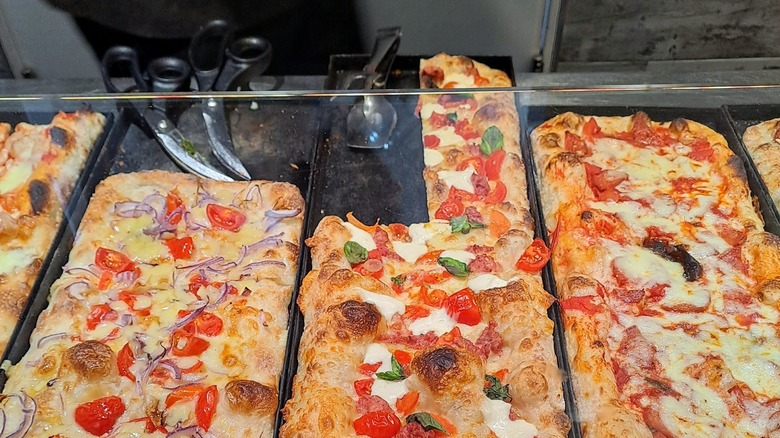
While pizza is often associated with Naples, Romans have their own distinctive style that dates back generations. Roman bakers traditionally used high-hydration doughs that produced thin, crispy crusts perfect for slicing and serving by weight.
Street bakeries selling pizza al taglio became especially popular in the 20th century as Rome expanded and workers needed quick meals. Today these neighborhood bakeries remain part of daily Roman life, blending ancient grain traditions with modern Italian culinary creativity. Check out the
Family cooking classes around Rome teach children how to:
- Stretch pizza dough
- Add traditional toppings
- Bake their creation in a wood oven
Pizza in Rome is different from Naples—it’s often thin and crispy, called pizza romana, or served in rectangular slices called pizza al taglio.
Check out Forno Camp de’ Fiori for some truly authentic Roman pizza in the heart of the city (at the Campo de Fiori piazza – and while you’re there check out the daily market, it’s one of the best in Rome).
Cooking classes also introduce kids to ingredients central to Italian culture: olive oil, tomatoes, basil, and mozzarella.
Cultural insight
Italian food traditions are deeply regional and often passed down through families. Cooking classes help preserve these traditions while supporting local chefs.
Bonus activity
Many classes include gelato-making afterward.
6. Wander Through the Vatican Museums

The Vatican Museums hold one of the greatest art collections on Earth.
Inside are thousands of artworks collected by popes over centuries—including the famous Sistine Chapel ceiling painted by Michelangelo. You only get there after you’ve walked through the maze of Vatican museums, so just be aware that the big prize is at the end!
The Vatican Museums trace their origins to the early 16th century when Pope Julius II began displaying sculptures from his personal collection in the Vatican. Over centuries, successive popes expanded the collection with artworks, artifacts, and treasures gathered from across Europe and the Mediterranean world.
Today the museums stretch across miles of galleries containing pieces from ancient Egypt, Greece, and Rome, along with masterpieces from the Renaissance, the period when Rome became one of the world’s great centers of art and architecture.
While museums can be tough for kids, the Vatican offers several hooks, just make sure you temper your expectations – it is MASSIVE, you won’t see it all, and if you drag them into too many rooms they’ll be exhausted and bored!

Parent strategy
Play a scavenger hunt game – it’s a great way to engage kids in what can be an extremely long museum tour if you’re not careful!
Timing tip
Book the first entry of the morning.
7. Eat Gelato Every Day (For Research)
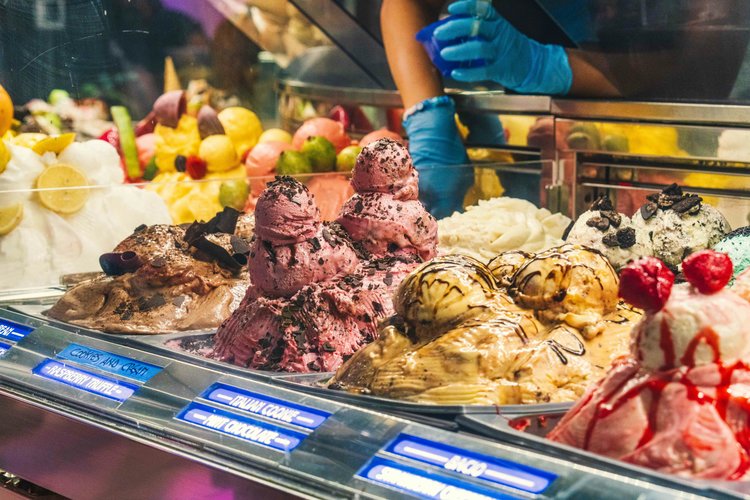
Gelato is practically a Roman food group. Its roots go back centuries to frozen desserts enjoyed by Roman elites, who flavored mountain ice with honey and fruit. During the Renaissance, Italian chefs refined these recipes by combining milk, sugar, and natural flavorings to create a smoother frozen treat.
By the 17th century, gelato had spread through Italy and into the royal courts of Europe. In Rome today, artisanal gelaterias continue this tradition by emphasizing fresh ingredients and seasonal flavors.
Unlike ice cream, gelato contains less fat and less air, giving it a smoother texture and stronger flavor.
Classic flavors include:
- Pistachio
- Hazelnut
- Stracciatella (vanilla mixed with melted dark chocolate which is drizzled in towards the end of the churning process)
- Lemon
Best family spots
- Gelateria del Teatro
- FataMorgana Gelato
- Giolitti
- Or really, any gelato you find when you need it most!

Kid challenge
Try a new flavor every day. Try a new gelateria every day. There are so many. And trust us, they’re all good.
8. Climb the Dome of St. Peter’s Basilica

The dome of St. Peter’s Basilica is one of the most impressive viewpoints in Europe. Designed by Michelangelo in the 1500s, the massive dome towers above Vatican City.
The current St. Peter’s Basilica was built during the Renaissance to replace an earlier church constructed by Emperor Constantine in the 4th century. Construction began in 1506 and continued for more than a century, involving some of the greatest architects of the time. Michelangelo took over the project in 1546 and redesigned the massive dome, inspired partly by the Pantheon. Today the basilica stands as one of the largest churches in the world and a defining landmark of Rome’s skyline.
Climbing it is an adventure:
- 551 steps to the top
- Spiral staircases
- Narrow passages inside the dome walls
At the summit you get one of the best views in Rome—looking out over St. Peter’s Square and across the entire city.

Historical context
St. Peter’s Basilica sits on what many believe to be the burial site of St. Peter, one of the apostles of Jesus, making it one of Christianity’s most important pilgrimage destinations.
Why Rome Works So Well for Families
Rome manages to feel both ancient and alive at the same time.
Kids can run through 2,000 years of history, eat incredible food, and discover that the past isn’t boring, it’s full of stories about warriors, artists, inventors, and explorers. And Roman gods!
Search out the Capitoline Wolf, an iconic bronze sculpture depicting a she-wolf nursing the mythical twin founders of Rome, Romulus and Remus. Housed in the Capitoline Museums in Rome since 1471, the wolf figure is believed to be from the 11th-12th century, with the twins added during the Renaissance.
This is the symbol of Rome!