

Belgium is low-key one of Europe’s easiest family countries: train rides are short, cities are walkable, food is extremely kid-friendly (SO many french fries), and the whole country feels like it was designed around waffles.
For an adult-friendly guide check out our MisInfoNation episode on Belgium: beer, chocolate, and TinTin.
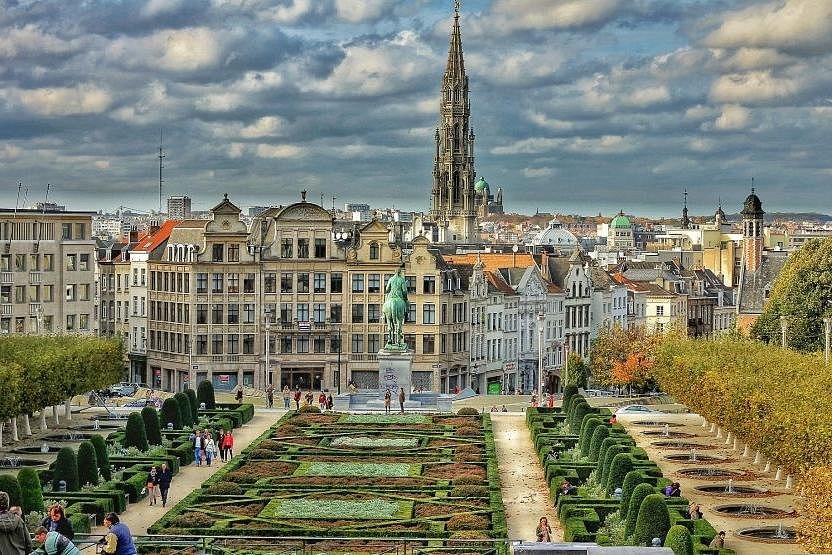
1. Brussels: Best for first-time Belgium, comic-book kids, and teens who want city energy
Brussels is the best place to start if your family wants Belgium in one big, lively, slightly chaotic bite. It has grand architecture, chocolate shops, parks, museums, EU-world energy, and enough quirky stops to keep kids from feeling dragged around. The classic family pairing is Mini-Europe plus the Atomium: Mini-Europe has more than 350 miniature European landmarks with moving trains, boats, and hands-on elements, and it sits right by the Atomium, making it an easy half-day outing. (GetYourGuide)
For kids under 5, Brussels works because you can keep the pace soft: Grand Place for a short wander, a waffle break, Parc de Bruxelles for running around, then back to the hotel. The Belgian Comic Strip Center is better for school-age kids and teens, especially if they know Tintin, the Smurfs, or graphic novels; the museum says it has been celebrating comic art for 35 years and has renewed permanent exhibitions plus rotating shows. (Comics Center)
For school-age kids, do a “find the comic murals” walk around the city. It turns sightseeing into a scavenger hunt, which is frankly the only civilized way to do architecture with an 8-year-old. For teenagers, Brussels has the best mix of indie shopping, global food, and street culture in Belgium. Neighborhoods like Saint-Géry, Sainte-Catherine, and Ixelles feel cooler and less tourist-polished than the Grand Place core.
- Rainy-day save: Belgian Comic Strip Center, chocolate-making workshops, Museum of Illusions, or a long lunch with frites.
- Outdoor/active idea: Parc du Cinquantenaire, comic mural walk, Mini-Europe, Atomium.
- Best neighborhoods to stay:
Sainte-Catherine for food and walkability; Sablon for chocolate shops and pretty streets; Ixelles for a younger, trendier, more local feel; Grand Place area only if you want maximum convenience and do not mind crowds.
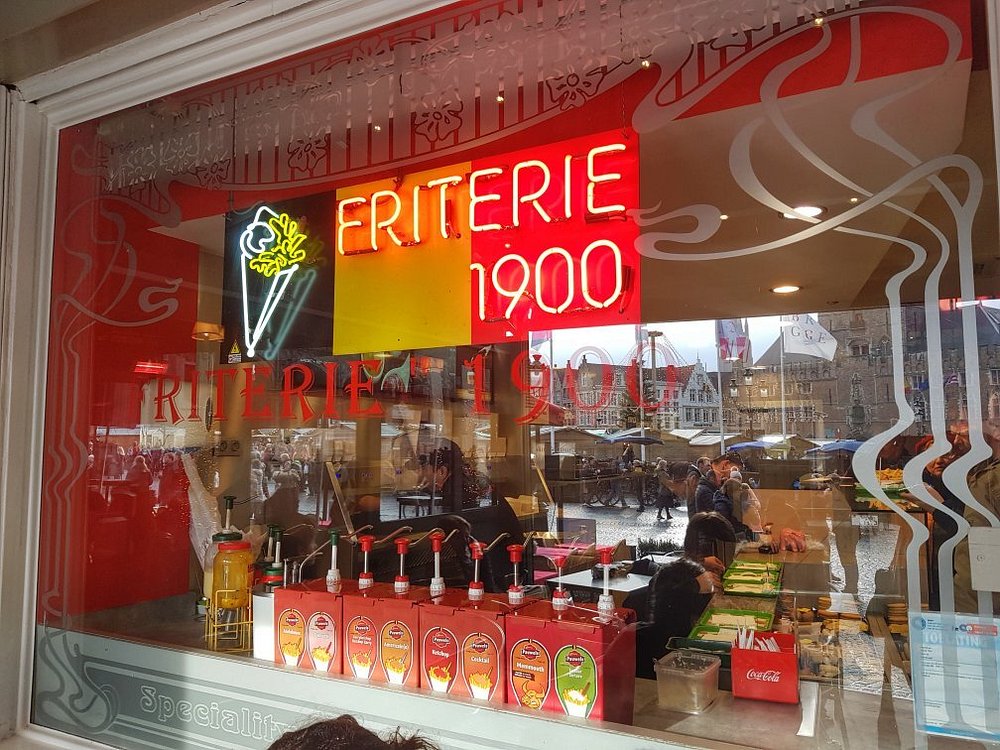
- Food to try: Belgian waffles — Brussels waffles are lighter and rectangular, often served with powdered sugar. Also try moules-frites if your kids are seafood-curious.
- Cultural do/don’t: Do not call French fries “French” with too much confidence here. Belgians are proud of their frites, and the sauce game is serious. Also, Brussels is bilingual-ish but complicated: French is widely spoken, Dutch is official too, and English is common in tourist zones. A simple “bonjour” or “goeiedag” goes a long way.
2. Bruges: Best for storybook canals, younger kids, and low-effort magic
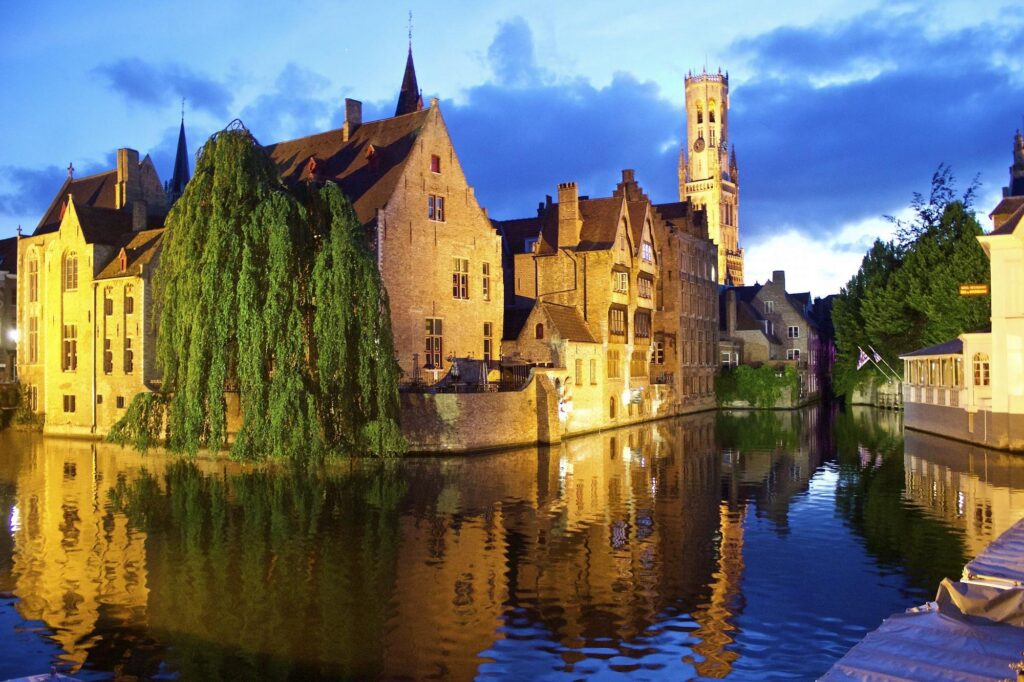
Bruges is Belgium’s fairytale city, and yes, it is touristy, but with kids that can be a feature, not a bug. The city is compact, beautiful, and easy to understand visually: canals, swans, bridges, towers, chocolate shops, horse carriages, and medieval streets. For young kids it is one of the easiest Belgian cities because you can make a whole day out of a canal boat ride, snacks, and enjoying chocolate shop windows. And it’s a short train ride form Brussels so if you wanted to make it a day trip it’s totally doable.
The Choco-Story Chocolate Museum and Frietmuseum are both classic family stops; they are touristy, but honestly, do it anyway. The chocolate museum is legitimately interesting if you enjoy culinary history. (In the busy season you might want to consider booking ahead.) Flanders’ official family travel materials highlight Bruges alongside cities like Ghent, Antwerp, Brussels, Leuven, and Mechelen as part of the region’s strong family-friendly offer. (Visit Flanders)
For active families, rent bikes and ride toward Damme, a peaceful canal-side village that gives you the charm without the shoulder-to-shoulder crowds. This is also the more sustainable, regenerative version of visiting Bruges: enjoy the old center, then spread your spending and foot traffic into nearby communities.
- Rainy-day save: Choco-Story, Frietmuseum, Historium Bruges, lace shops, hot chocolate café crawl.
- Outdoor/active idea: Canal boat ride, windmill walk, bike ride to Damme, Minnewater Park.
- Best neighborhoods to stay:
- Historic Centre for first-timers and short stays;
- Sint-Anna Quarter for quieter lanes, windmills, and a more residential feel;
- Ezelstraat Quarter for boutique stays just outside the busiest core.
- Food to try: Hot chocolate and handmade pralines. Bruges is made for chocolate tourism, but look for smaller chocolatiers rather than only the most photographed shops.
- Cultural do/don’t: Bruges gets overwhelmed in peak season, especially summer and day-trip hours. Go early, stay overnight, and do not block narrow streets or bridges for long photo shoots. Locals live here too, so keep the “main character energy” cute, not chaotic.
3. Ghent: Best for cool families, teens, castles, and street art
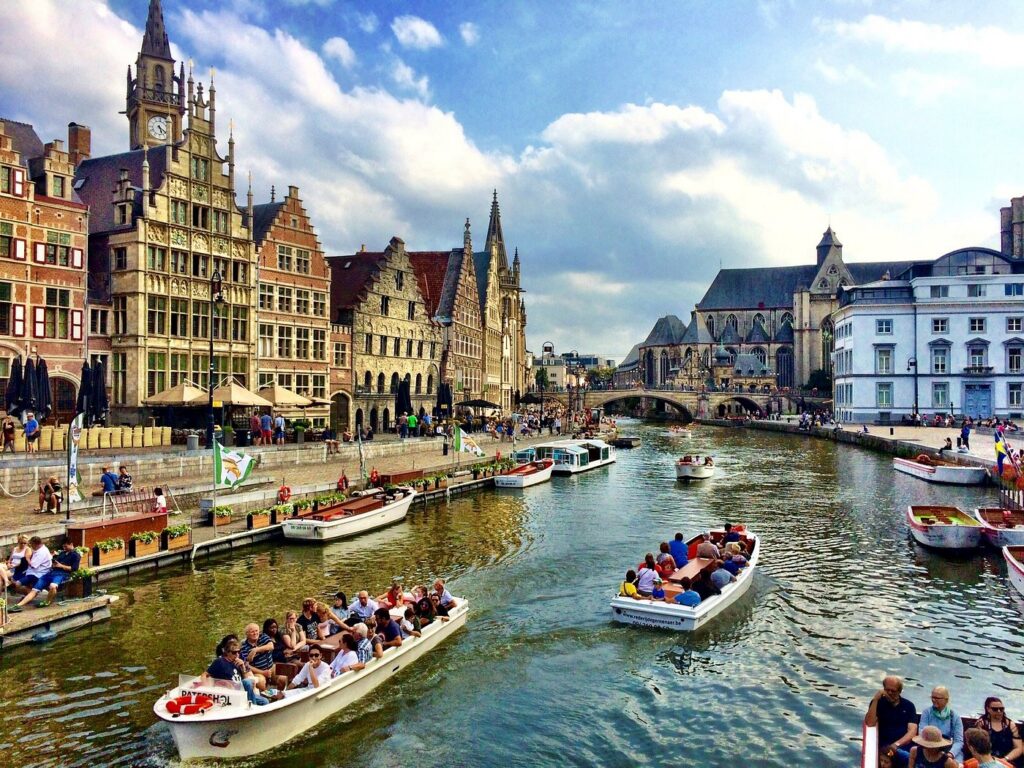
Ghent is the Belgian city I would pick for families who want Bruges-level beauty but with more actual local life. It has canals, medieval towers, a giant castle, street art, student energy, independent shops, and a food scene that feels fresh rather than fusty.
Vogue described Ghent as challenging Antwerp as Belgium’s “capital of cool,” pointing to its student population, café culture, street art, vegetarian food scene, and mix of medieval and modern culture. (Vogue)
For school-age kids, the obvious star is Gravensteen, the Castle of the Counts. It looks properly castle-y, stone walls, towers, weapons, dramatic views, and it gives just enough medieval drama without needing a full history lecture. For teens, Ghent is a gem: the Werregarenstraatje graffiti alley, vintage shops, music venues, and casual food spots make it feel less like a museum city and more like somewhere they might actually want to live for a semester.
For younger kids, Ghent works if you keep things short and snack-heavy. Walk Graslei and Korenlei, take a boat ride, find a playground, then let them crash. Ghent is also a strong rainy-day city because you can shift into museums like STAM, S.M.A.K., or cafés without feeling like the day is ruined.
- Rainy-day save: STAM city museum, S.M.A.K. contemporary art museum, castle visit, café-and-chocolate break.
- Outdoor/active idea: Canal boat, street-art walk, climb the Belfry if your kids can handle stairs, picnic along the water.
- Best neighborhoods to stay:
- Patershol for atmospheric old streets and restaurants;
- Korenlei/Graslei area for postcard views;
- Zuid for museums and a calmer base;
- Dok Noord if you want a trendier, more urban feel.
- Food to try: Gentse neuzen, also called cuberdons — purple cone-shaped candies with a sweet syrupy center. Also try Flemish stew if your kids are into cozy meat-and-gravy food.
- Cultural do/don’t: Ghent is not just “Bruges without crowds.” Treat it as its own creative city. Support student-friendly cafés, local designers, and vegetarian-forward restaurants; the city has real local culture beyond the medieval backdrop.
4. Antwerp: Best for fashion kids, design teens, zoo lovers, and urban explorers
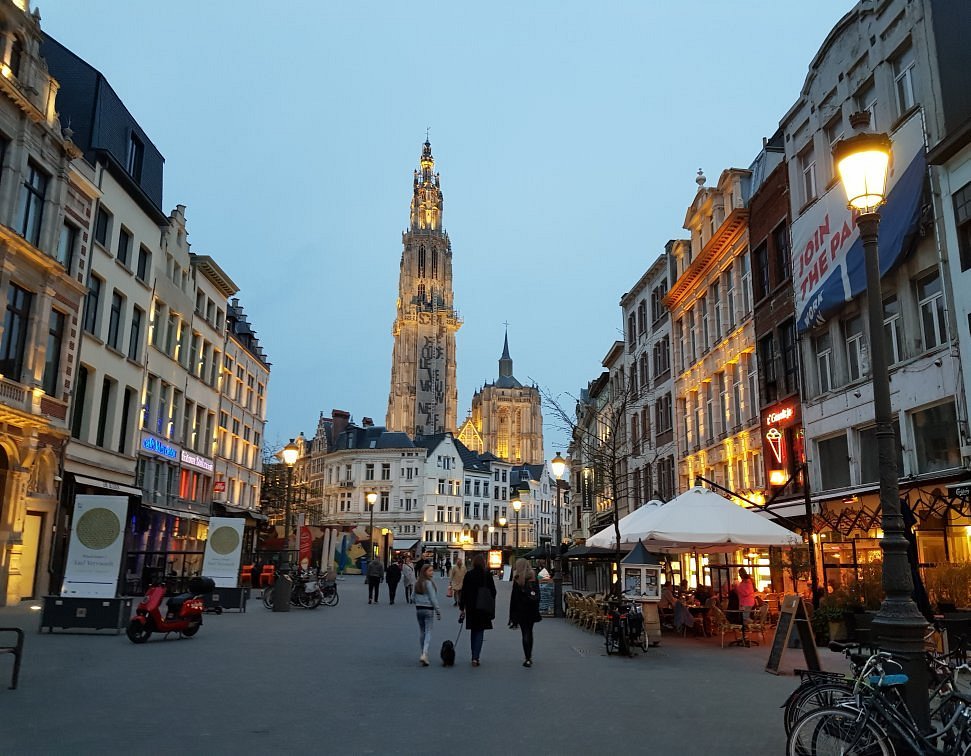
Antwerp is Belgium’s stylish older cousin. It is a port city, a fashion city, a diamond city, and a genuinely fun family base if your kids are over the “only castles and waffles” phase. It is especially good for tweens and teens because it has real design credibility: fashion, concept stores, coffee culture, street style, and big-city energy without feeling as sprawling as London or Paris.
For younger kids, the big win is Antwerp Zoo, one of Europe’s historic urban zoos, located right by the central train station. For school-age kids, Het Steen and the riverside are easy wins, while the MAS Museum is one of the most family-friendly cultural stops in the city. The MAS describes its family offer as including games, creative workshops, and even rooftop picnics with panoramic views from its 65-meter-high tower. (MAS)
For teens into clothes or aesthetics, add MoMu, the Fashion Museum Antwerp. Its family programming includes first-Sunday activities, treasure hunts, read-alouds, and workshops, and visitors under 18 can enter free. (MoMu Antwerp) That is very lekker if you have a teen who wants something cooler than another old church.
- Rainy-day save: MAS, MoMu, Chocolate Nation, Red Star Line Museum. The Red Star Line Museum specifically positions itself as a family outing and notes that children under 12 visit free. (MAS)
- Outdoor/active idea: Walk the Scheldt riverfront, playground time at Park Spoor Noord, bike through the port-side neighborhoods, rooftop views at MAS.
- Best neighborhoods to stay:
- Historic Centre for first-time convenience;
- Het Zuid for galleries, restaurants, and a more stylish local feel;
- Eilandje for MAS, waterfront energy, and modern architecture;
- Theaterbuurt for shopping and central access.
Food to try: Antwerpse handjes, little hand-shaped biscuits or chocolates tied to the city’s folklore. Also try smos, a Belgian sandwich that is great for a quick lunch.
Responsible travel note: Antwerp is a great place to talk to kids about migration, trade, and global history, especially at the Red Star Line Museum. Balance shopping with cultural stops so the city is not reduced to consumption.
Antwerp is fashion-conscious but not flashy in a “try-hard” way. Pack decent walking shoes. Also, Antwerp locals can be direct; do not mistake efficiency for rudeness.
5. Mechelen: Best under-the-radar family city, toddlers to tweens
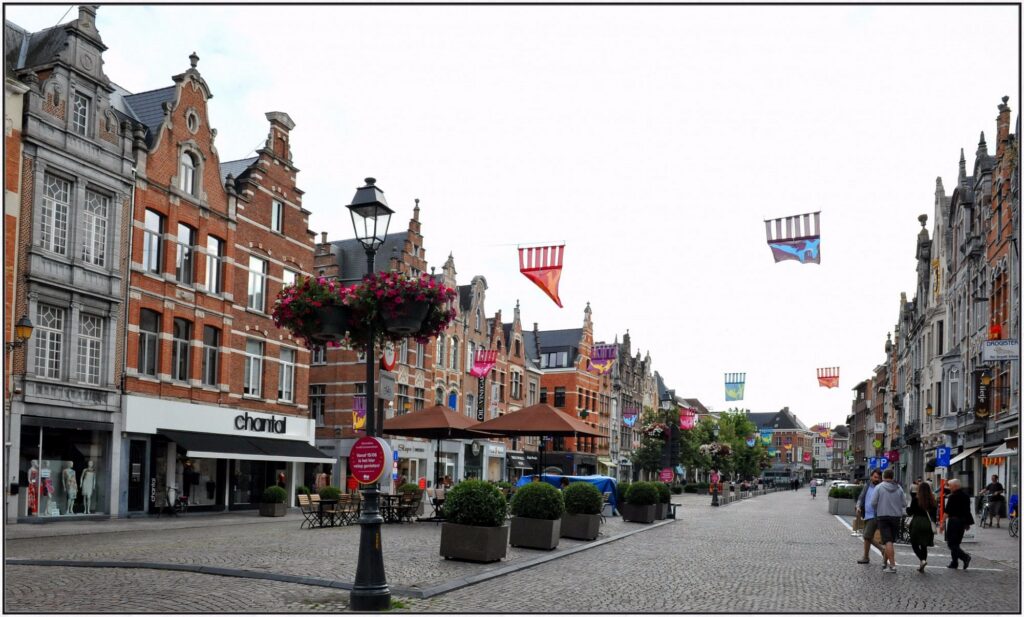
Mechelen might be the sneaky-best Belgium pick for families with younger kids. It is compact, pretty, less crowded than Bruges, close to Brussels and Antwerp, and very intentionally family-friendly. Visit Mechelen says the city is perfect with children because everything is close together and there is something for every age, from green spaces to bigger adventures. (Visit Mechelen)
This is the place for families who want an easier rhythm. Start with Grote Markt, where kids can roam a bit because the square was made traffic-free in 2004; the square hosts a lively Saturday morning market.
Then add Toy Museum Mechelen, which focuses on the history and meaning of play and regularly organizes family activities. (Speelgoedmuseum)
For school-age kids, Technopolis is a major win: an interactive science museum near Mechelen where kids and adults can experiment while learning. (Tiqets) If your family loves animals, ZOO Planckendael is nearby and can easily fill a day. Mechelen also works for teens if you frame it as the “cooler, less obvious” Belgian city;
The Guardian highlighted Mechelen as an appealing alternative to Bruges and Ghent, with historic architecture, a strong cultural scene, Het Predikheren library, Vleeshalle food market, and fewer crowds. (The Guardian)
- Rainy-day save: Toy Museum, Technopolis, Hof van Busleyden museum, Het Predikheren library.
- Outdoor/active idea: Grote Markt, Kruidtuin park, climb St. Rumbold’s Tower with older kids, Planckendael.
- Best neighborhoods to stay:
- Historic Centre/Grote Markt for easy walks;
- near the train station if you plan day trips;
- Kruidtuin area for green space and a calmer family base.
- Food to try: Mechelen koekoek, a traditional local chicken breed often found in regional dishes. For an easier kid win, go to Vleeshalle, the food hall, and let everyone choose.
- Responsible travel note: Choosing Mechelen helps spread tourism beyond Belgium’s most crowded cities. It is a smart base for low-impact train trips to Brussels, Antwerp, or Leuven.
6. De Haan and the Belgian Coast: Best for beach days
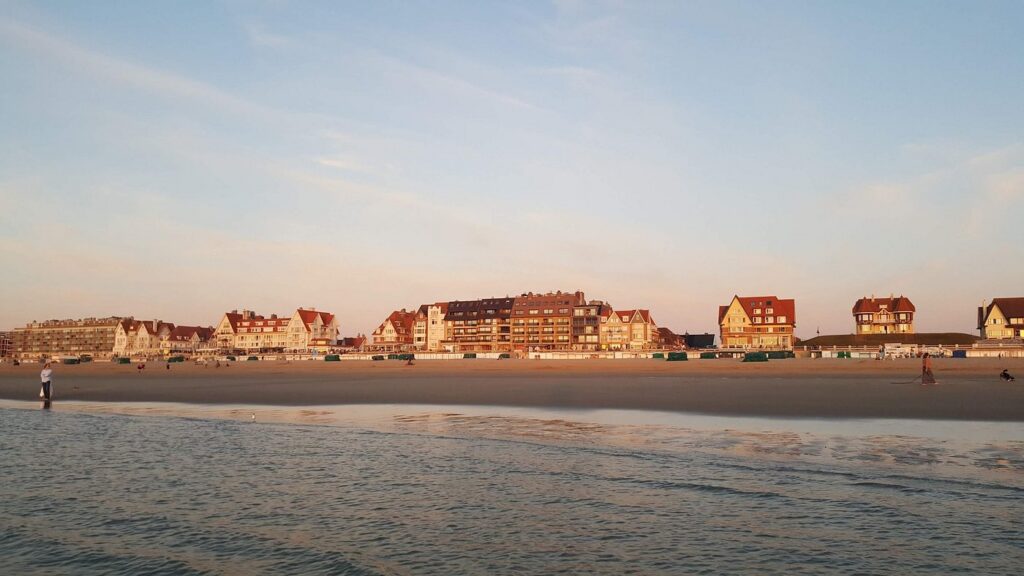
Belgium is not usually sold as a beach destination, which is wild because the coast can be brilliant with kids. De Haan is one of the sweetest family picks: wide sand, Belle Époque villas, bike paths, dunes, and a gentler feel than bigger beach towns.
For kids under 5, De Haan is gold because the beach is the activity. No one needs a museum voice. No one needs to “appreciate the architecture.” Add bikes, mini-golf, the coastal tram, and shell collecting.
For teens, the coast works best if you include surfing or a day trip to Ostend, which has more edge, cafés, galleries, and city-beach energy. Ostend is described as having a cultural revival, with young creatives, surf clubs, galleries, and a revived arts scene around De Grote Post. (Financial Times)
The Belgian Coast is also a great “reset” after city travel. If you have been doing Brussels, Ghent, and Bruges, a coast stop lets everyone decompress.
- Rainy-day save: Coastal tram adventure, cafés, Ostend’s cultural stops, indoor play spaces, seafood lunch.
- Outdoor/active idea: Beach day, kite flying, biking, dunes walk, coastal tram ride, surfing near Ostend.
- Best neighborhoods to stay:
- In De Haan, stay near the Concessie, the historic villa district, for charm and easy beach access.
- Families who want more restaurants and rainy-day options can base in Ostend city center or near the promenade.
- Food to try: Grey shrimp croquettes or fresh North Sea shrimp. For kids, beach fries with mayo are basically mandatory.
- Cultural do/don’t: Belgian beaches use windbreaks, beach clubs, and seasonal rentals in a way that may feel different from U.S. beaches. Respect marked swimming zones and lifeguard flags. Also, the North Sea is not the Caribbean — pack layers, even in summer.
Bonus: Durbuy and the Ardennes for adventurous families
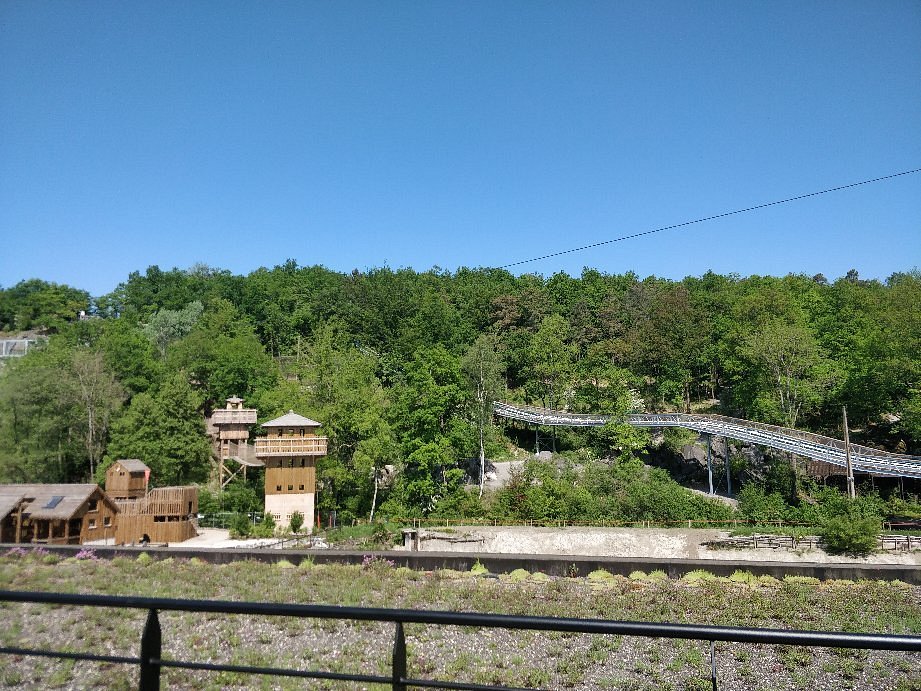
If your family needs forest, zip lines, kayaking, and a break from cobblestones, add Durbuy in the Belgian Ardennes. Adventure Valley Durbuy calls itself Belgium’s biggest indoor and outdoor adventure park, open year-round, with activities including treetop trails, via ferrata, tubing, play areas, kayaking, electric mountain bikes, indoor laser games, escape rooms, a tourist train, and a belvedere viewpoint. (Adventure Valley)
- Food to try: Ardennes ham or local trout.
- Responsible travel note: Choose marked trails, avoid disturbing wildlife, and support small Ardennes guesthouses or farm stays when possible.
Best overall Belgium family itinerary
For a one-week trip, do Brussels → Ghent → Bruges → De Haan, with Mechelen as a day trip or swap-in for younger kids.
For older kids and teens, do Brussels → Antwerp → Ghent → Durbuy. For the easiest first Belgium trip, base in Brussels or Ghent and take trains. Belgium’s size is your secret weapon: you do not need to move hotels every night to see a lot.
Don’t try to make Belgium feel like France, the Netherlands, or Germany. It’s a weird, chocolate-and-frites filled place, just embrace it.