

Spain is one of those family destinations that can work for almost every age at once.
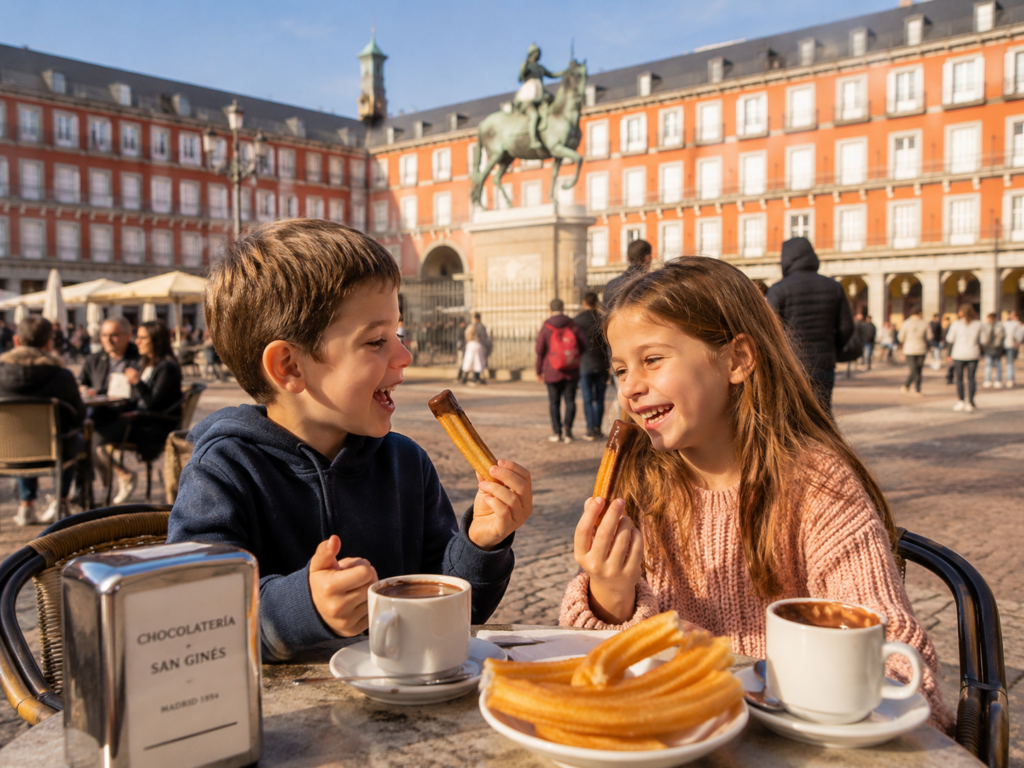
Toddlers can run free in plazas and parks, school-age kids can climb castles and decode Roman ruins, and teenagers can get properly into beaches, football culture, vintage shopping, food markets, street art, and late-night city energy. Kids are welcome in restaurants, parks come alive after sunset, and the whole country understands the art of taking it slow.
Of course, not all Spanish cities are equal, and there are some important things to consider. Spain can be hot, crowded, and better late in the day, so families do best when they mix outdoor adventures with cool indoor escapes, stay in neighborhoods that make daily logistics easy, and travel in a way that respects local life.
It’s also important to book major sights ahead, so you can avoid peak midday heat, and use public transit where possible. Remember that the best family memories often happen in small, local places: a neighborhood bakery, a plaza, a market stall where your child learns to order in Spanish.
Here are eight Spanish cities that are especially brilliant with kids, from toddlers to teens.
1. Barcelona: Gaudí, beaches, futbol, and big teen energy

Barcelona is the obvious first pick, but honestly, it earns the hype. It has beaches, parks, architecture that looks like it came out of a dream, food markets, football culture, and neighborhoods with enough personality to keep teenagers from doing the “this is boring” face.
Also, Barcelona loves kids. Don’t be surprised when the abuelas try to feed them from neighboring cafe tables.
Listen to our family Guide to Barcelona: Play Here.
For under-5s, Barcelona works because there are built-in breaks everywhere: playgrounds in local squares, beach time at Barceloneta or Bogatell, and the colorful weirdness of Park Güell. For school-age kids, make Gaudí into a scavenger hunt: dragons, mosaics, crooked houses, glowing stained glass. For teenagers, Barcelona is a vibe. Check out El Born boutiques, Gràcia cafés, street art, skate culture, encourage a Barça obsession, and stroll beach boardwalks.
The big outdoor win is Park Güell, but go early because it gets hot and crowded. The beach is great in the morning or late afternoon. For indoor heat or rain breaks, the Sagrada Família is spectacular, CosmoCaixa is one of Spain’s best science museums, and the Moco Museum or Picasso Museum can work well with older kids. Spain’s official tourism site includes Barcelona as part of a classic Barcelona–Valencia–Madrid itinerary, which is a strong route for families who want culture without too many transfers.
Best neighborhoods to stay:
Eixample is the easiest all-around family base: safe, central, walkable, and well-connected. Gràcia is more local and charming, with great plazas for younger kids. El Born is trendier and better for families with teens who want restaurants, shops, and atmosphere. Avoid the Gothic Quarter.
Food to try:
Order pa amb tomàquet (Catalan) toasted bread rubbed with tomato, olive oil, and salt. It is simple, Catalan, and very kid-friendly. Also try bombas, fried potato balls often served with spicy sauce. And of course, bravas, better than french fries.
Cultural dos and don’ts:
Please book Sagrada Família and Park Güell in advance. If you wait until you arrive to book you won’t get in. Don’t treat the Gothic Quarter like a theme park, people live there, and pick-pockets love the place.
Responsible travel note:
Use the metro, walk, and spread your spending beyond the most packed zones. Gràcia, Poblenou, and Sant Antoni are great for more neighborhood-based eating and shopping. Find other markets beyond the Boqueria.
2. Valencia: Spain’s best city for bikes, science, parks, and paella
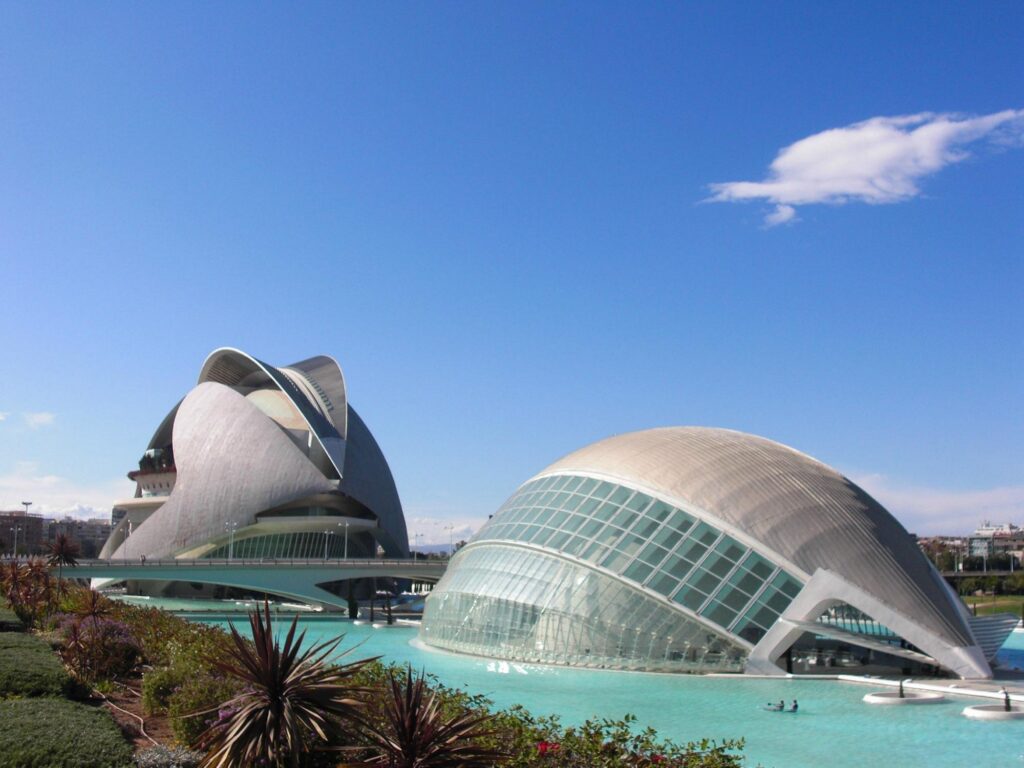
Valencia might be the most underrated family city in Spain. It has beaches, futuristic museums, one of Europe’s best urban parks, and a calmer rhythm than Barcelona or Madrid. It is also flat, which makes it especially good for biking with kids.
The headline family attraction is the City of Arts and Sciences, a futuristic complex with a science museum, planetarium, and Oceanogràfic aquarium. Visit Valencia says it is worth planning carefully because there is a lot to see, and the official site recommends allowing at least a full day if you want to explore the whole complex. The other genius feature is the Turia Garden, a long green park built in a former riverbed, with playgrounds, sports areas, bike paths, and cultural venues.
For under-5s, the Gulliver Park playground is magic: kids climb over a giant reclining figure like tiny Lilliputians. For school-age kids, the Science Museum and aquarium are easy wins. For teens, Valencia has beaches, design-forward cafés, bike rides, street art in El Carmen, and a food scene that feels cool without being too polished.
For hot days, do the beach early, then retreat to the Science Museum or Oceanogràfic. On rainy days, the Central Market, museums, and the City of Arts and Sciences keep everyone busy.
Best neighborhoods to stay:
Ruzafa is trendy, colorful, and full of restaurants, best with older kids and teens. El Carmen is atmospheric and historic, though some streets can be noisy at night. For easy family logistics, stay near the Turia Garden or in Pla del Remei / Gran Vía.
Food to try:
Valencia is the birthplace of paella Valenciana, traditionally made with rabbit, chicken, green beans, and garrofó beans, but not seafood. Also try horchata with fartons, a sweet local drink with soft pastries.
Cultural dos and don’ts:
Do eat paella at lunch, not dinner, if you want to do it the local way.
Responsible travel note:
Rent bikes, use the Turia paths, and choose local rice restaurants that source from the Albufera region, which supports Valencia’s historic rice-growing landscape.
Photo caption: Kids biking through the Turia Garden toward the City of Arts and Sciences.
3. Madrid: Royal palaces, parks, museums, football, and big-city fun
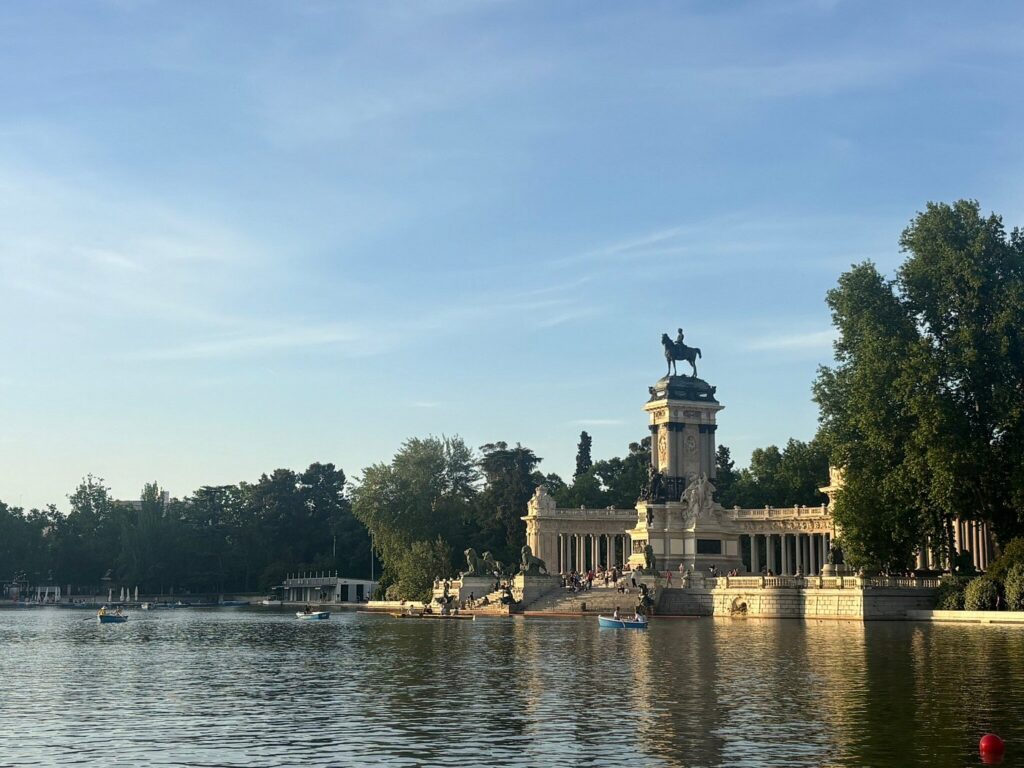
Madrid is not beachy, but it may be Spain’s best city for families who want classic culture with excellent food and easy transit. It is grand without being stiff, and it has one of the best park-and-museum combinations in Europe.
For under-5s, Retiro Park is the move: puppet shows, playgrounds, ducks, wide paths, and rowboats. For school-age kids, the Royal Palace, Egyptian Temple of Debod, and Prado can be turned into a “kings, queens, gods, and monsters” day. For teenagers, Madrid delivers football at the Bernabéu or Metropolitano, vintage shopping in Malasaña, tapas in La Latina, and a nightlife energy they can feel even if they are not going out-out.
Rain or heat? Madrid is built for indoor culture. The city’s official tourism site has specific rainy-day itineraries that include Hapsburg Madrid, the Royal Palace, San Miguel Market, the Bernabéu Stadium, the Archaeological Museum, and City Hall.
Best neighborhoods to stay:
Retiro / Salamanca edge is calm, safe, and ideal for younger kids because you can walk to the park. Barrio de las Letras is central, charming, and great for culture. Chueca is stylish, lively, and walkable, better with older kids or teens. Malasaña is fun and trendy but can be loud.
Food to try:
Get churros con chocolate at breakfast or late afternoon. For something more local and savory, try a bocadillo de calamares near Plaza Mayor.
Cultural dos and don’ts:
Do embrace the later dinner rhythm, but build in a snack around 6 p.m. for kids. Don’t expect restaurants to rush. Spanish meals are social, not transactional.
Responsible travel note:
Madrid’s metro is excellent. Use it instead of taxis, especially in central zones, and choose neighborhood tabernas over only eating around Plaza Mayor.
4. Seville: Flamenco, palaces, orange trees, and storybook plazas
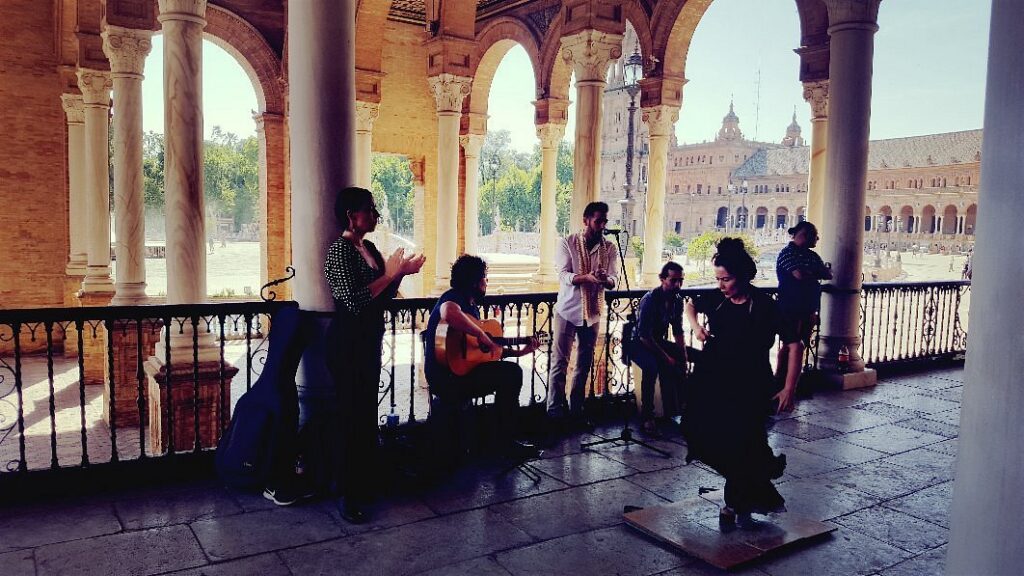
Seville is dazzling, maybe too dazzling in July or August, but for spring, fall, or winter family travel, it is unreal. The city feels theatrical: horses, flamenco, tiled courtyards, orange trees, fountains, and plazas that look designed for kids to run across.
For under-5s, the wide spaces of Plaza de España and Parque de María Luisa are ideal. For school-age kids, the Real Alcázar feels like a palace from a legend, and the tilework and gardens are more engaging than a typical “old building.” For teens, Seville brings flamenco, rooftop views, cool cafés, vintage shops, and that moody Andalusian golden-hour aesthetic.
A strong Seville day starts early at the Alcázar, breaks for lunch and siesta, then returns outside near sunset for Plaza de España. A recent Reuters report noted that Seville has considered charging tourists to visit Plaza de España as part of a conservation and overcrowding plan, a reminder that families should treat the site gently and respect local preservation efforts.
For indoor heat escapes, consider the Flamenco Dance Museum, the Aquarium, or a ceramics workshop in Triana. For active fun, bike along the river or rent a family bike in María Luisa Park.
Best neighborhoods to stay:
Santa Cruz is beautiful and central, though touristy. Arenal is convenient and slightly less maze-like. Triana is more local, famous for ceramics and flamenco roots, and great for families who want neighborhood character.
Food to try:
Try salmorejo, a chilled tomato soup thicker than gazpacho, often topped with egg and jamón. Kids may also love espinacas con garbanzos, spinach with chickpeas, if they are open to new flavors.
Cultural dos and don’ts:
Don’t book a flamenco show that feels exploitative or mass-produced; look for smaller venues that respect the art form.
Responsible travel note:
Support local ceramics shops in Triana and avoid climbing on tilework or fountains at historic sites. Seville’s beauty survives because people care for the details.
5. Granada: The Alhambra, flamenco, mountains, and science
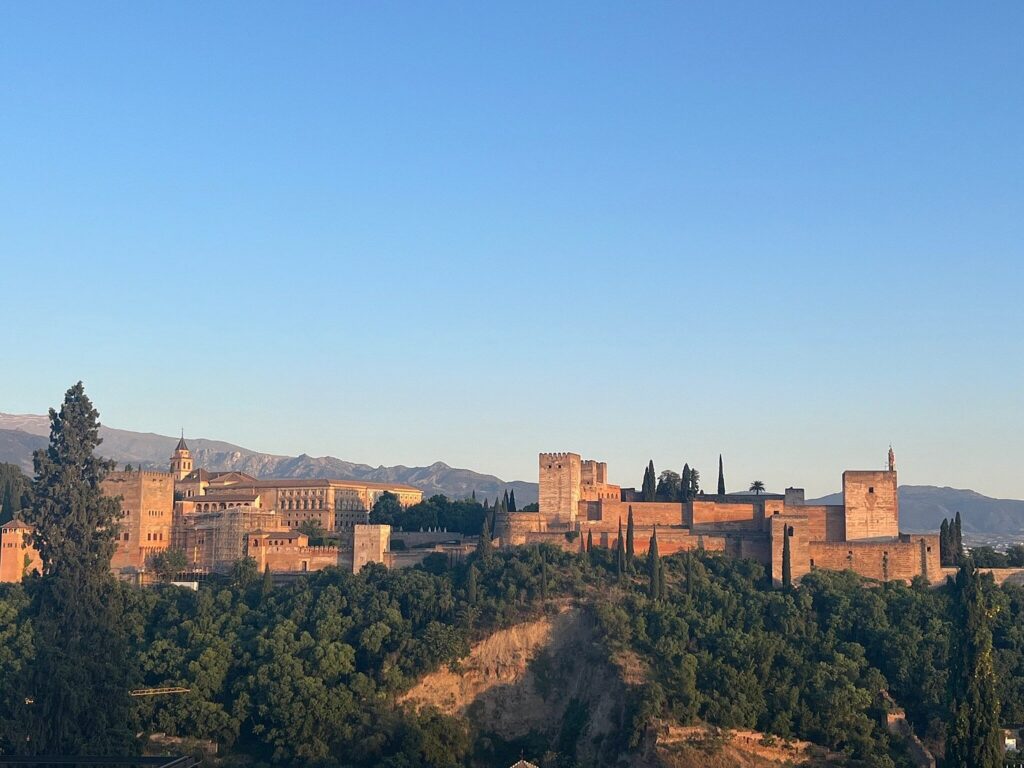
Granada is one of Spain’s most magical cities for kids who like stories. It has palaces, legends, hills, music, caves, tea houses, mountain views, and the kind of layered history that makes children ask big questions.
For under-5s, Granada can be hilly, so plan carefully. Use taxis for steep climbs and bring a carrier rather than relying only on a stroller. For school-age kids, the Alhambra can be framed as a fortress-palace full of secret courtyards, water channels, carved patterns, and royal drama. For teens, Granada has a cool student vibe, flamenco in Sacromonte, Moroccan-style tea houses, and epic viewpoints like Mirador de San Nicolás.
For hot or rainy days, the Parque de las Ciencias is the family lifesaver. Local family guides regularly recommend the Science Park alongside the Alhambra and Sierra Nevada as key Granada family stops. Families should also know that some Alhambra areas are difficult with strollers; one Granada family travel guide notes that strollers are not allowed in the Nasrid Palaces, so baby carriers are the better call.
Best neighborhoods to stay:
Centro is easiest for families and restaurants. Realejo is charming, central, and slightly calmer. Albaicín is beautiful but steep, so it is better for families with older kids or teens than toddlers.
Food to try:
Try tortilla del Sacromonte if your family is adventurous, or go easier with piononos, small syrupy pastries from nearby Santa Fe. Granada is also famous for tapas culture, where small plates often come with drinks.
Cultural dos and don’ts:
Do book Alhambra tickets far in advance. Don’t underestimate the walking. Also, when visiting Sacromonte flamenco, choose respectful venues and teach kids that flamenco is not just “a show”, it is a living cultural tradition.
Responsible travel note:
Hire local guides for the Alhambra or Albaicín when possible. It helps kids understand the mix of Islamic, Jewish, Christian, Roma, and Andalusian history without reducing it to pretty architecture.
Photo caption: Family looking across to the Alhambra from Mirador de San Nicolás.
6. Málaga: Beach, Picasso, castles, and an easy coastal base
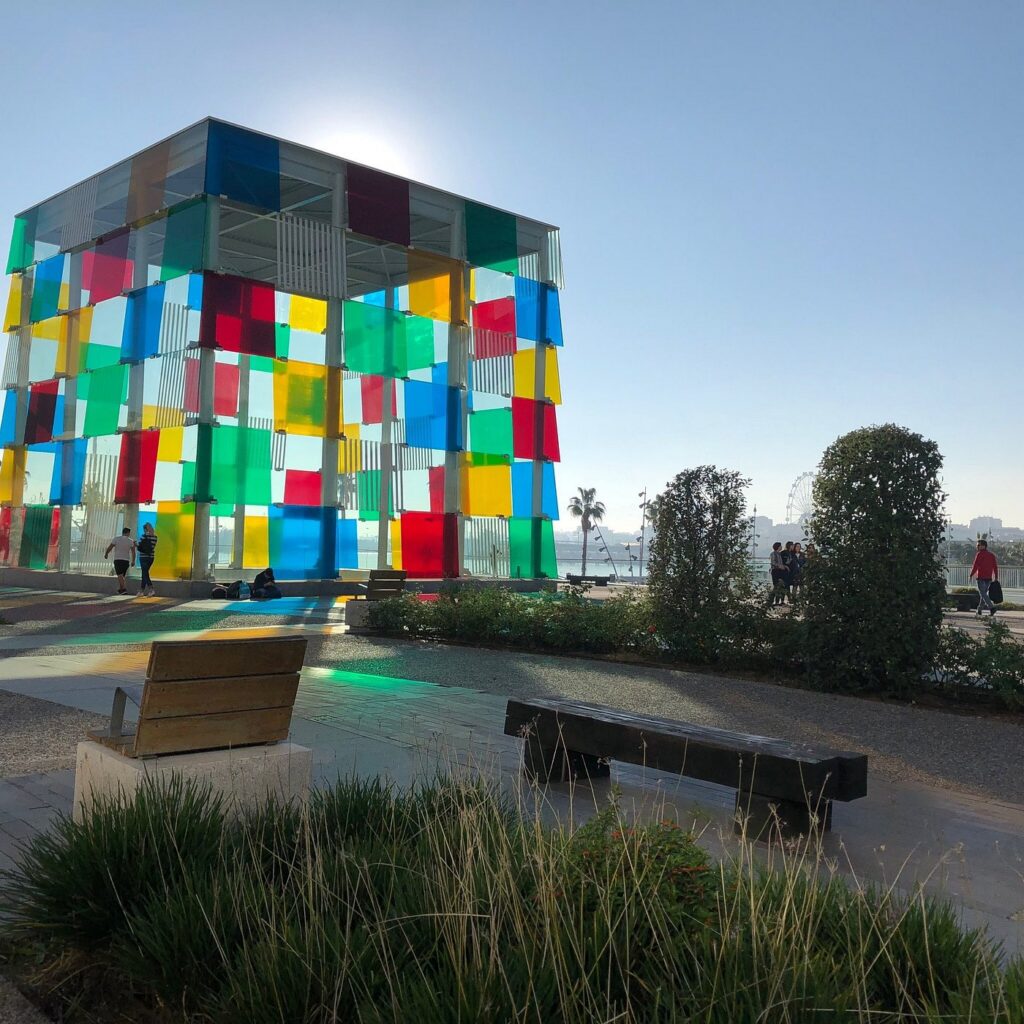
Málaga used to be treated as just an airport gateway to the Costa del Sol, but now it is one of Spain’s most exciting family city breaks: beachy, walkable, sunny, cultural, and packed with museums.
For under-5s, Málaga is easy because you can alternate beach, promenade, playground, snacks, repeat. For school-age kids, climb to Gibralfaro Castle, explore the Alcazaba, visit the Roman Theatre, and then cool down with gelato. For teens, Málaga has a trendy port area, street art in Soho, the Pompidou Centre, beach clubs, and a growing food scene.
For indoor heat or rain, Málaga is excellent: Picasso Museum, Museo de Málaga, the Pompidou Centre, and the interactive music museum all work well. Tripadvisor reviewers frequently highlight Museo de Málaga and the Roman Theatre as worthwhile family-friendly cultural stops.
Best neighborhoods to stay:
Centro Histórico is best for first-timers and families who want to walk everywhere. La Malagueta works well if beach access is the priority. Soho is trendier and better for teens, with murals, cafés, and a creative feel.
Food to try:
Order espetos de sardinas which are sardines grilled over open coals, usually at beachside chiringuitos. Also try porra antequerana, a thicker cousin of gazpacho.
Cultural dos and don’ts:
Do respect beach etiquette: don’t blast music, don’t leave trash, and don’t set up right on top of another family. Bring snacks.
7. Bilbao: Guggenheim, river walks, pintxos, and Basque culture
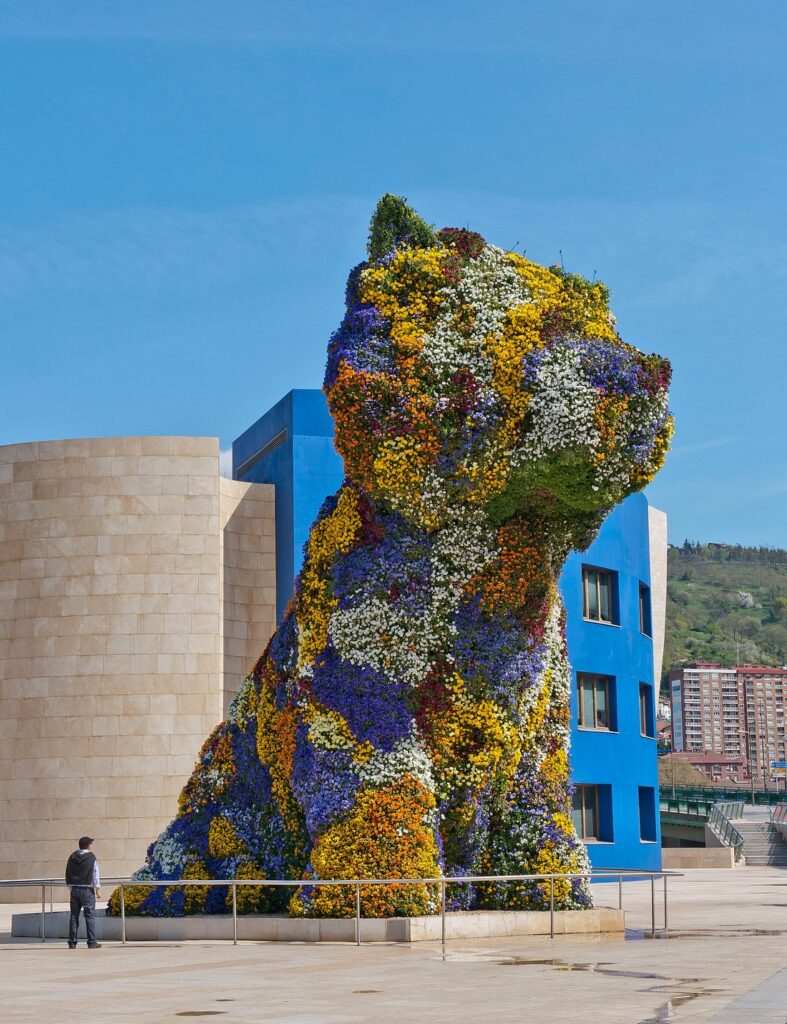
Bilbao is a fantastic choice for families who want Spain, but not the Spain everyone expects. It is green, modern, design-forward, and deeply Basque. It also has a great balance of indoor and outdoor plans, which makes it useful for families traveling outside summer or dealing with northern Spain’s rain.
For under-5s, the riverfront is stroller-friendly and spacious. For school-age kids, the Guggenheim’s giant Puppy sculpture, Louise Bourgeois’ spider, bridges, funicular, and river walks are memorable. For teens, Bilbao feels cool: architecture, food halls, street style, San Mamés football culture (get them an Athletico Bilbao jersey), and easy access to dramatic Basque coast day trips.
For rainy days, Bilbao is a winner: Guggenheim, Azkuna Zentroa, Museo de Bellas Artes, Mercado de la Ribera, and cafés in Casco Viejo. For outdoor days, take the Artxanda funicular for city views or walk the Nervión riverfront.
Best neighborhoods to stay:
Abando is the easiest and most polished base, close to transit and the Guggenheim. Ensanche is central and comfortable. Casco Viejo is atmospheric and great for food, though noisier at night.
Food to try:
Try pintxos, the Basque version of small bites, often displayed on bar counters. For kids, look for tortilla, croquetas, grilled mushrooms, or mini sandwiches. Also try bacalao al pil-pil if your family likes fish.
Cultural dos and don’ts:
Do learn a few Basque words: “kaixo” means hello and “eskerrik asko” means thank you. Don’t call Basque culture simply “Spanish culture” as if they are interchangeable. Local identity matters here.
8. San Sebastián: Beaches, pintxos, hilltop rides, and food culture for all ages
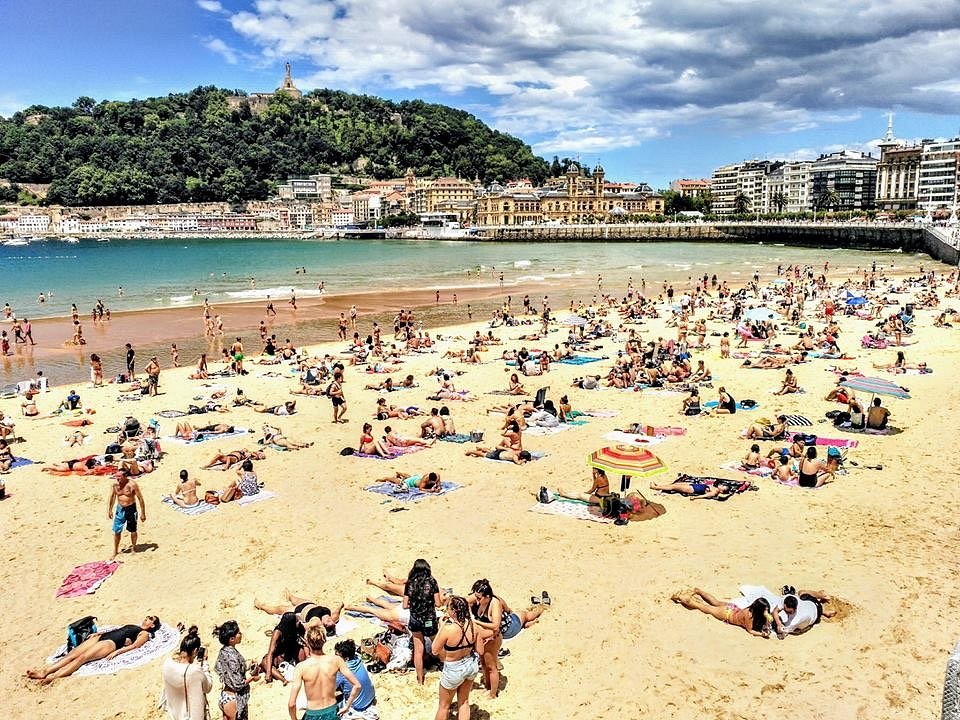
San Sebastián, Donostia in Basque, is gorgeous, delicious, and surprisingly easy with kids. It is smaller than Barcelona or Madrid, but that is part of its charm. You can beach, eat, stroll, ride a funicular, and be back at your hotel before anyone melts down.
For under-5s, La Concha is one of Spain’s best city beaches because the bay is sheltered and calm. For school-age kids, Monte Igueldo’s funicular and old-fashioned amusement park are a hit. For teens, San Sebastián has surf culture at Zurriola Beach, stylish pintxo bars, boutiques, and a cinematic old-world-meets-cool-foodie feel.
Family travel guides consistently highlight La Concha’s calm, shallow water, the aquarium, hilltop attractions, playgrounds, and green spaces as reasons San Sebastián works well with children. Another recent family guide notes that the town center is stroller-friendly and that families with small children are a normal sight in bars and restaurants.
For rainy days, do the Aquarium, San Telmo Museum, pintxo hopping, or a cooking class. For active days, walk the bay, surf at Zurriola with older kids, or ride up Monte Igueldo.
Best neighborhoods to stay:
Centro is the best all-around family base. Antiguo is calmer and close to Ondarreta Beach and Monte Igueldo, great with younger kids. Gros is trendier and better for teens who want surf energy and cafés.
Food to try:
Try pintxos in Parte Vieja, especially gilda: olive, anchovy, and pickled pepper. For picky eaters, order tortilla, croquetas, or Basque cheesecake.
Cultural dos and don’ts:
Do move along after eating pintxos; the tradition is to try one or two bites at each place, not camp out forever. Don’t touch pintxos with your hands unless it is clearly self-serve and accepted at that bar.
Responsible travel note:
San Sebastián’s food culture is precious. Choose small bars, be patient, and teach kids to order politely.
For a first family trip to Spain, the easiest combo is Barcelona + Valencia + Madrid.
For culture and drama, do Madrid + Granada + Seville.
For a cooler, foodier, more local-feeling trip, go north with Bilbao + San Sebastián.
And for a sunny vacation that still has real culture, Málaga is a banger.
Remember: book the big sights, stay somewhere walkable, plan one major activity per day, eat locally, and leave space for plazas, playgrounds, markets, and accidental discoveries.