

There are all kinds of beaches in Europe: wild and windswept, glossy and Mediterranean, or giant outdoor living rooms where kids can run feral in the sand while parents sip coffee like civilized humans.
The best family beaches are not necessarily the most famous ones. They are the beaches where the water shelves gently, the snacks are easy, the toilets are not a myth, there is something to do when everyone gets too sandy, and local culture gives kids a window into how families actually live.
Here are eight of the best beaches in Europe for kids, with playgrounds, lunch stops, nearby attractions, transportation tips, parking notes, and the little cultural quirks worth knowing. Basically everything you need to know to plan your trip.
1. La Concha Beach in San Sebastián, Spain
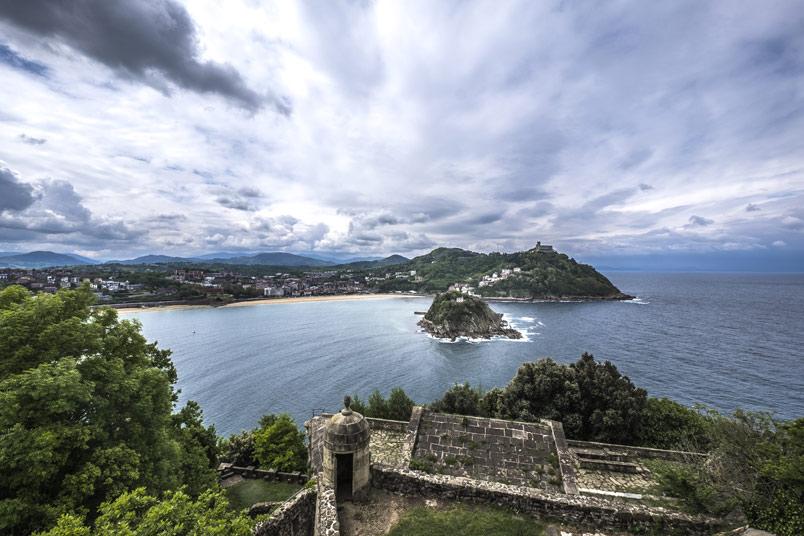
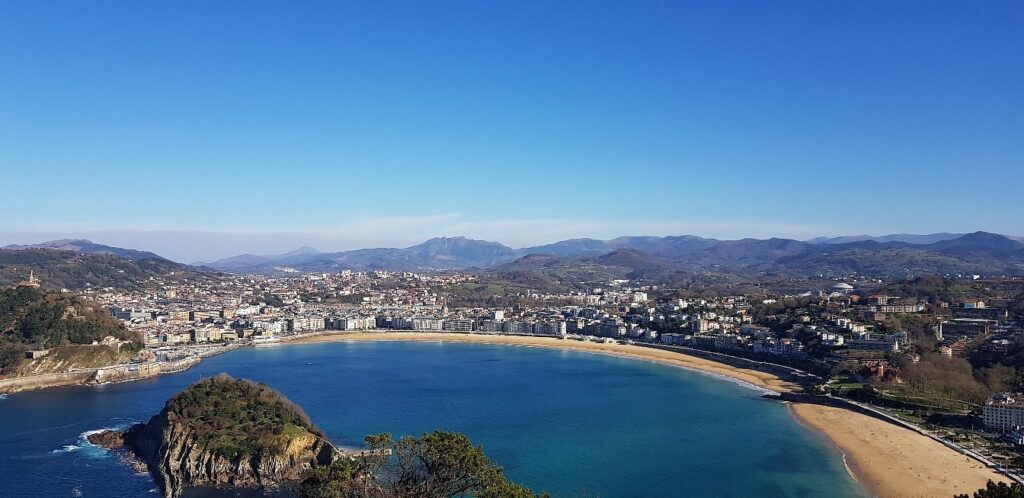
San Sebastián’s La Concha is one of those beaches that looks almost too perfect: a crescent of pale sand, calm blue water, Belle Époque buildings, and mountains wrapping around the bay like a cinematic backdrop. For kids, the win is that it feels both urban and safe. You can swim, build sandcastles, walk the promenade, get ice cream, hit a playground, and be back in the old town for pintxos without ever needing a car.
La Concha is especially good for younger kids because the bay is generally calmer than many Atlantic beaches. Older kids can paddle, swim out to the floating platforms in summer, or walk toward Ondarreta Beach and the Peine del Viento sculptures. San Sebastián is also famously walkable, which matters when someone is suddenly “too tired” five minutes after insisting they could walk forever.
Playgrounds nearby: There is a playground on or near the La Concha promenade, plus another good one by Ondarreta Beach. Family travel guides consistently call out San Sebastián as unusually rich in playgrounds, including play areas near La Concha, Ondarreta, Plaza Gipuzkoa, and the Gros neighborhood. (My Travel Monkey)
Kid-friendly attractions nearby: Take the funicular up Monte Igueldo for old-school amusement park energy and epic bay views. It is a little retro, a little quirky, and honestly all the better for it. The aquarium is also excellent if you need a break from sun.
Lunch or snack: The local beach snack move is tortilla española, bocadillos, or a cone of gelato from the promenade. For lunch, do pintxos in the Old Town, but go early with kids. The vibe is standing, grazing, and pointing at things you want. Very “organized chaos,” but in a delicious way.
Cultural dos and don’ts: In Basque Country, food is taken seriously. Don’t expect rushed service. Do let kids try pintxos, even if they are just eating bread, ham, and croquetas. Say kaixo for hello if you want to be cute and respectful; Spanish is widely spoken, but Basque identity is strong.
Transport and parking: Skip driving into the center if possible. Parking in central San Sebastián can be difficult, and family travelers often recommend walking or using public transport instead. (Bridges & Balloons) If you drive, use an underground garage and plan to pay for it. The beach itself is best reached on foot, by bus, or from a centrally located hotel.
Responsible travel note: San Sebastián is popular, but it still feels deeply local. Support small pintxo bars, use public transport, and avoid treating the Old Town like a theme park. Let kids see how daily family life and food culture overlap here.
2. Playa de Alcúdia in Mallorca, Spain
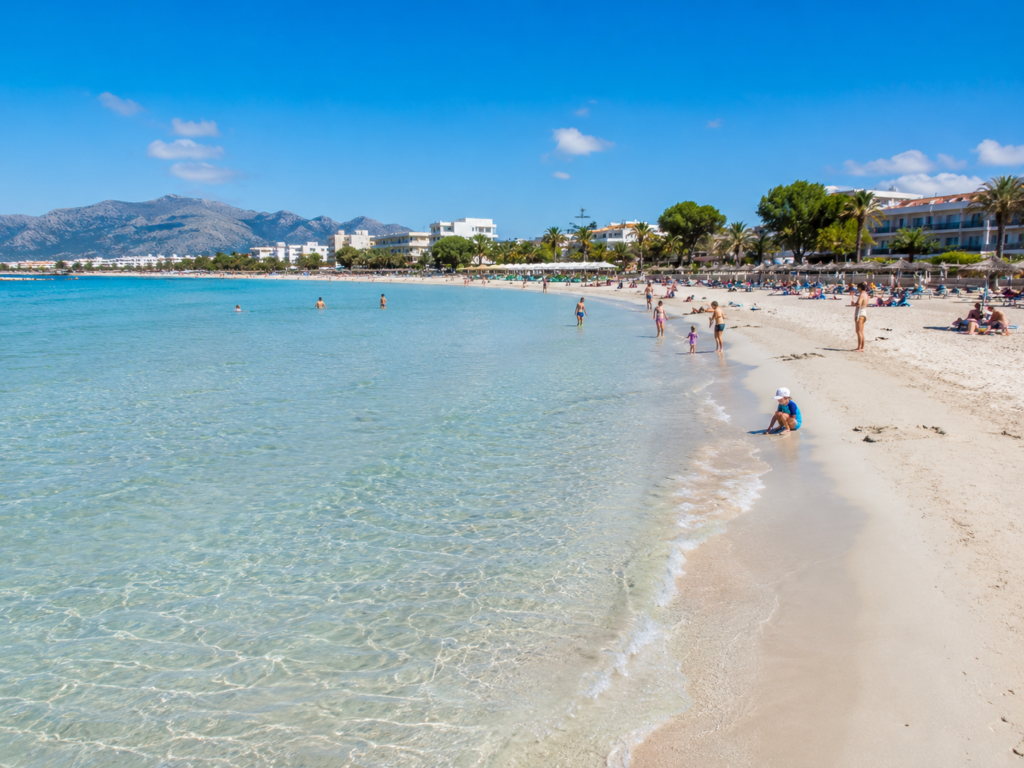
Playa de Alcúdia is basically the beach you invent in your head when you are traveling with small kids: long, sandy, shallow, easy, and forgiving. The water stays shallow for ages, the beach is wide, and there is enough infrastructure that you are never too far from a bathroom, snack, or shade. It is not the hidden, influencer-free Mallorca of your dreams, but for families? Bingo.
The beach runs for several kilometers along the north of Mallorca, blending into Playa de Muro. The sand is soft, the sea is usually gentle, and there is space for everything: sandcastles, paddleball, inflatables, snack breaks, and long “I’m not tired” walks that end in someone needing to be carried.
Playgrounds nearby: The Port d’Alcúdia area has small play areas and family-friendly promenades, and many nearby hotels and beach zones are set up for children. Look for playgrounds around the marina and resort strip rather than expecting one giant destination playground.
Kid-friendly attractions nearby: Alcúdia Old Town is a brilliant non-beach break. Walk the medieval walls, wander the lanes, and let kids pick a pastry. Hidropark Alcúdia is nearby if you need a full water-slide day. The S’Albufera Natural Park is also close and good for older kids who like birds, bikes, and nature walks.
Lunch or snack: Bring ensaimadas, fruit, and water, or grab lunch along the beach promenade. A simple beach bar lunch of grilled fish, pa amb oli, or chicken and fries will keep everyone happy. For a local-ish kid win, buy fresh fruit and pastries before heading to the beach.
Cultural dos and don’ts: Mallorca has been dealing with overtourism, so be thoughtful. Don’t leave beach toys, inflatables, or trash behind. Don’t assume every beach restaurant is fast. Do learn gràcies or gracias, and remember that Mallorcan culture is not just “Spain with resorts.”
Transport and parking: Playa de Alcúdia has a major public transport presence and tourist bus access, and there is a large free car park near the main entrance. (ABC Mallorca) In peak summer, still arrive early. If you are staying nearby, walking or biking is the move.
Responsible travel note: Balance beach time with local culture: visit Alcúdia Old Town, shop from local bakeries, and consider S’Albufera for a low-impact nature experience.
3. Praia da Falésia in Algarve, Portugal
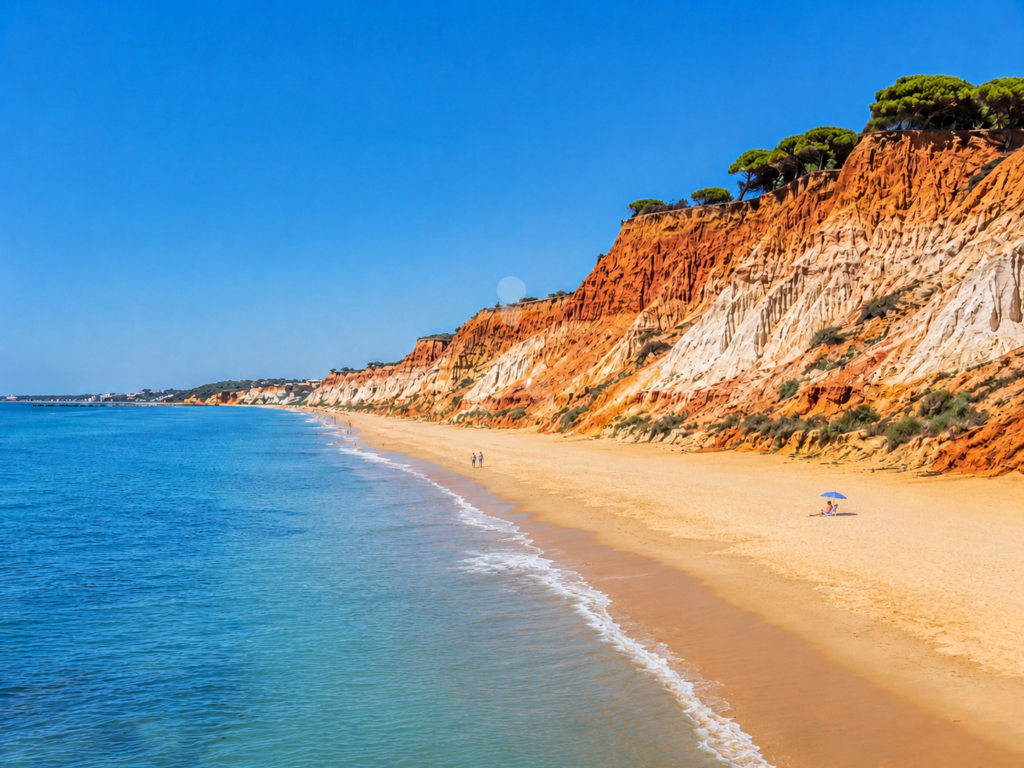
Praia da Falésia is dramatic in the best way: rust-red cliffs, golden sand, turquoise water, and enough space that kids can run. It is one of the Algarve’s most beautiful beaches, but the key family trick is choosing the right access point. Some parts involve long stairs; others are easier.
For kids, Falésia works because the beach is huge. Even in high season, you can often walk a little and find breathing room. The cliffs make it feel like a natural amphitheater, and older kids will love the “whoa, this looks like Mars” geology.
Playgrounds nearby: Falésia is more beach-and-resort than municipal playground central. If a playground is essential, base near a family-friendly resort or nearby town like Vilamoura, Albufeira, or Olhos de Água. Some resorts around Falésia have large kids’ clubs and play areas; Pine Cliffs, for example, is known as a major family resort above Praia da Falésia with extensive child-focused facilities. (The Times)
Kid-friendly attractions nearby: Zoomarine, boat trips from Albufeira, and Benagil-style cave tours are popular, though choose operators that follow marine-life guidelines. Vilamoura marina is easy for an evening stroll.
Lunch or snack: Bring water, fruit, and sandwiches, especially if you plan to walk away from the main access points. Praia dos Tomates has a restaurant, bathrooms, and chair rentals, making it one of the easier family access points. (Full Suitcase)
Cultural dos and don’ts: In Portugal, beach days can be long and social. Don’t set up right on top of another family if there is space. Do pack out trash. Don’t climb fragile cliffs; erosion is real, and it is dangerous.
Transport and parking: Car is easiest, but parking varies massively by access point. Praia dos Tomates has parking close to the beach and a short flat walk, though high-season parking may cost a few euros. (Full Suitcase) Other Falésia access points have limited parking, and guides warn that driving can be frustrating around Olhos de Água. (Algarve Tourist Guide) Arrive early, or go late afternoon for golden light and fewer meltdowns.
Responsible travel note: Stay on marked paths above the cliffs, avoid cliff scrambling, and choose dolphin or cave tours that keep respectful distances from wildlife.
4. Agios Georgios Beach in Naxos, Greece
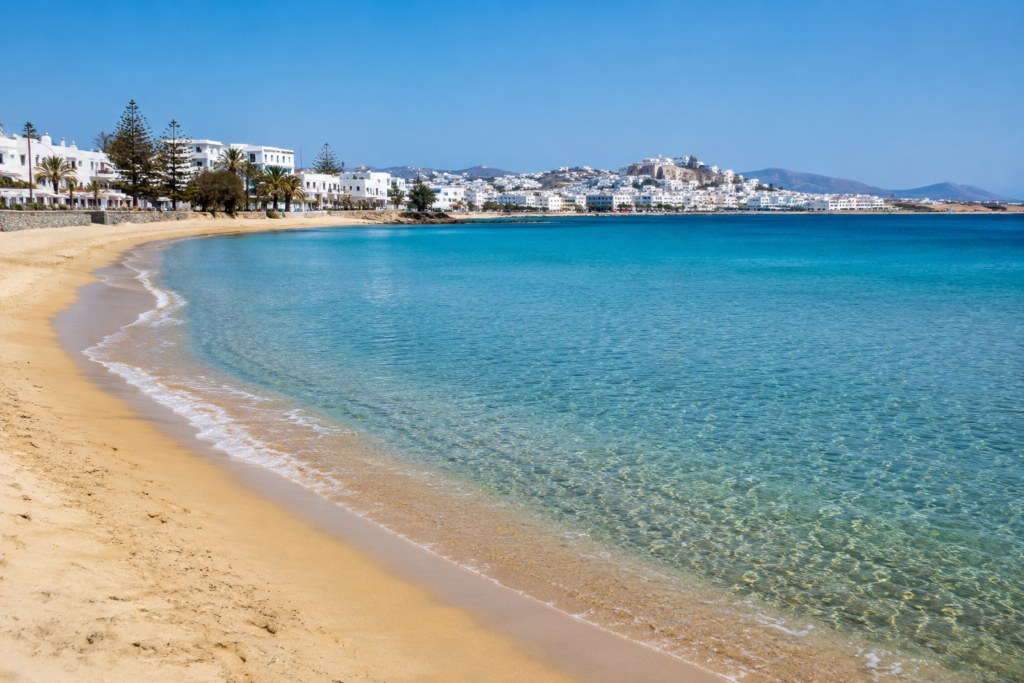
Agios Georgios, also called Saint George Beach, is one of the easiest Greek island beaches for families because it sits right next to Naxos Town. No epic transfer, no remote cove logistics, no “wait, where do we buy water?” panic. You can beach in the morning, wander the old town in the afternoon, and eat dinner by the harbor.
The water is famously shallow, especially compared with some other Cycladic beaches. That makes it brilliant for younger swimmers and kids who want to play ball in the sea. Several family travel sources describe the beach as shallow, warm, and particularly good for children. (Travel Babbo)
Playgrounds nearby: Naxos Town has small public play areas, and many family accommodations around Agios Georgios are geared toward children. This is not a “big playground” destination; the beach itself is the playground.
Kid-friendly attractions nearby: Walk to the Portara at sunset, explore the Kastro lanes, take a day trip to mountain villages, or visit Aqua Fun Water Park near Stelida if your kids need slides and splash chaos.
Lunch or snack: The beach tavernas make this easy. Order Greek salad, fries, grilled chicken, souvlaki, tzatziki, and watermelon. The go-to beach snack is a bakery haul: spanakopita, tiropita, koulouri, and cold drinks.
Cultural dos and don’ts: Greek beach culture is relaxed, but don’t rush meals. Lunch might be late, dinner later. Teach kids to say efharistó for thank you. Also, many beaches rent sunbeds; check whether you need to order food or pay a fee before settling in.
Transport and parking: If you stay in Naxos Town, walk. That is the whole magic. If staying farther out, buses connect Naxos Town with the western beaches in season, but Agios Georgios is close enough that taxis and walking are easy.
Responsible travel note: Naxos has a strong agricultural culture. Eat local cheeses, potatoes, and produce, and balance beach days with inland village visits so tourism money spreads beyond the waterfront.
5. Grande Plage in Saint-Jean-de-Luz, France
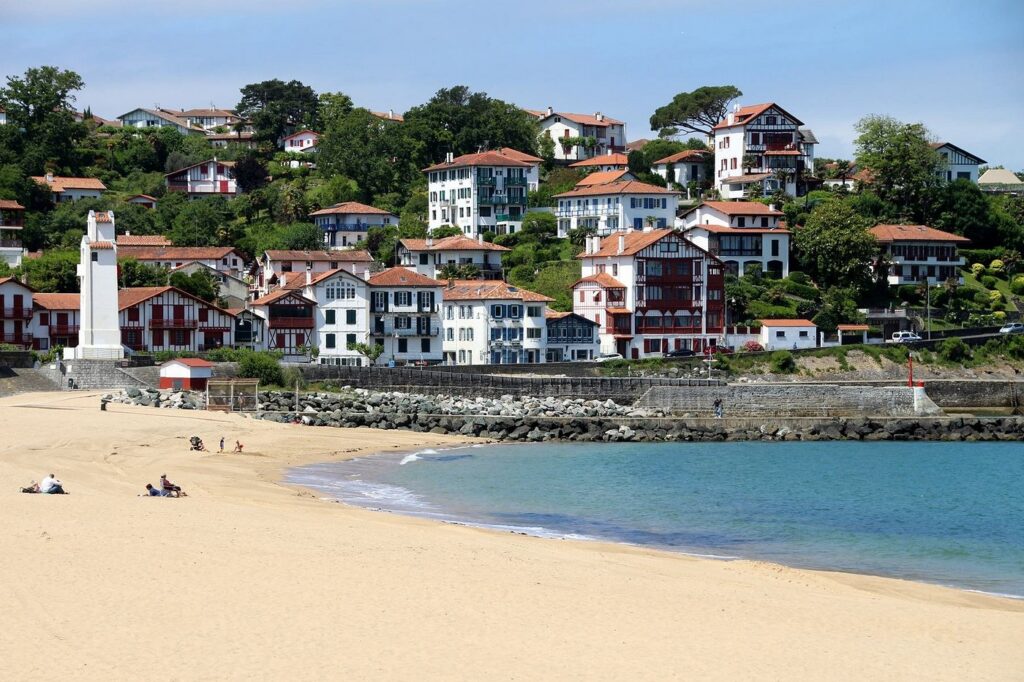
Saint-Jean-de-Luz is a Basque seaside town with a sheltered bay, pretty architecture, and a family-friendly beach that feels gentler than nearby surf-heavy Biarritz. Grande Plage is protected by the bay and sea walls, which helps keep the water calmer and makes it especially appealing for younger kids. (guide-du-paysbasque.com)
This is the beach for families who want France, but not up-tight France. The town is walkable, the food is excellent, and the vibe is more local holiday than glam resort. Kids can swim, paddleboard, eat ice cream, and watch older locals play pelota or stroll the promenade.
Playgrounds nearby: Grande Plage has beach clubs and seasonal kids’ activities, and the promenade area is very family-oriented. For a bigger play break, look toward town parks and nearby activity centers.
Kid-friendly attractions nearby: Ride Le Petit Train de la Rhune, visit the harbor, walk to Ciboure, or take a short trip to Biarritz’s aquarium. Older kids may love beginner surf lessons at more suitable nearby beaches when conditions are right.
Lunch or snack: Buy gâteau basque, jambon sandwiches, fruit, or picnic supplies from Les Halles. For lunch, look for simple Basque spots serving chipirons, omelets, grilled fish, or kid-friendly ham and cheese plates. This is France; even a beach picnic can be elite.
Cultural dos and don’ts: Basque culture is distinct, proud, and not just decorative. Learn a little, eat local, and don’t treat the town as a Biarritz backup. Also, French beach lunches can run later and longer than American families expect. Embrace it. Très chill.
Transport and parking: Saint-Jean-de-Luz is connected by train, and the town is easy on foot. Summer parking can be difficult, but there are central garages near Grande Plage and some free parking options within walking distance of the center. (Parclick) There is also regional public transport and seasonal beach-bus-style service around the coast. (Ultimate France)
Responsible travel note: Use the train if you can, buy from Les Halles, and choose locally owned restaurants rather than defaulting to the most obvious beachfront tourist menus.
6. La Pelosa in Stintino, Sardinia, Italy
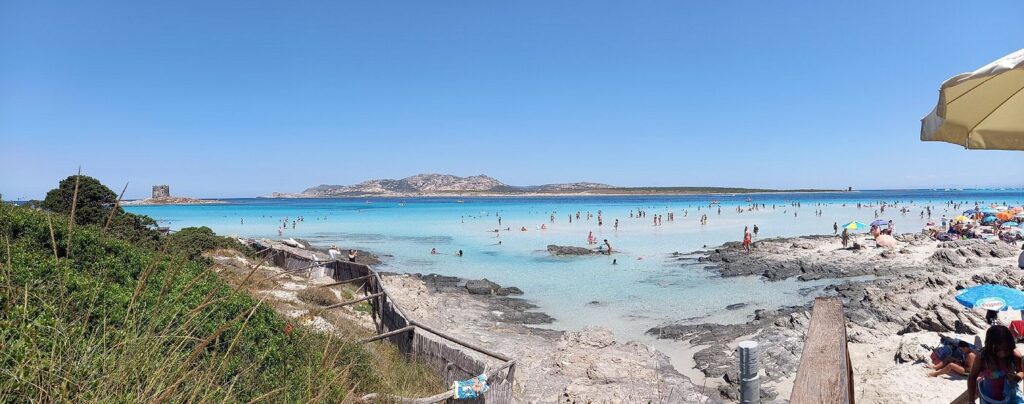
La Pelosa is almost absurdly beautiful: pale sand, shallow Caribbean-looking water, and a little Aragonese tower offshore. For kids, the shallow water is the major draw. It can feel like a natural swimming pool, especially for younger children.
But La Pelosa is not a casual “just rock up whenever” beach anymore. It is fragile, heavily managed, and rule-heavy. That is actually a good lesson for kids: beautiful places need boundaries.
Playgrounds nearby: Stintino has small local play areas and family-friendly promenades, but La Pelosa itself is about the beach. Bring sand toys, a mat, and shade.
Kid-friendly attractions nearby: Take a boat trip to Asinara National Park, visit Stintino village, or explore nearby Le Saline and Ezzi Mannu as less intense backup beaches.
Lunch or snack: Bring water, fruit, panini, and Sardinian snacks like pane carasau, pecorino, and seadas if you can find them. There are beach services nearby, but do not rely on impulse snacks for a full family day.
Cultural dos and don’ts: This is the beach where rules matter. La Pelosa requires reservations in high season, children under 12 may be exempt from the cap/fee depending on current rules, and visitors must use mats under towels to protect the sand. Removing sand or shells can lead to serious fines. (Bon Traveler) Smoking is restricted to designated areas, and local guides stress taking the rules seriously. (Strictly Sardinia)
Transport and parking: Parking near La Pelosa is paid and limited; some guides recommend using signed lots near Stintino and taking the shuttle or public transport to avoid fines and long walks. (Strictly Sardinia) Arrive early even with a reservation.
Responsible travel note: La Pelosa is a perfect case study in regenerative travel. The most respectful thing you can do is follow every rule, use the required mat, leave shells and sand exactly where they are, and consider visiting outside peak season.
7. Paradise Beach in Lopar, Rab Island, Croatia
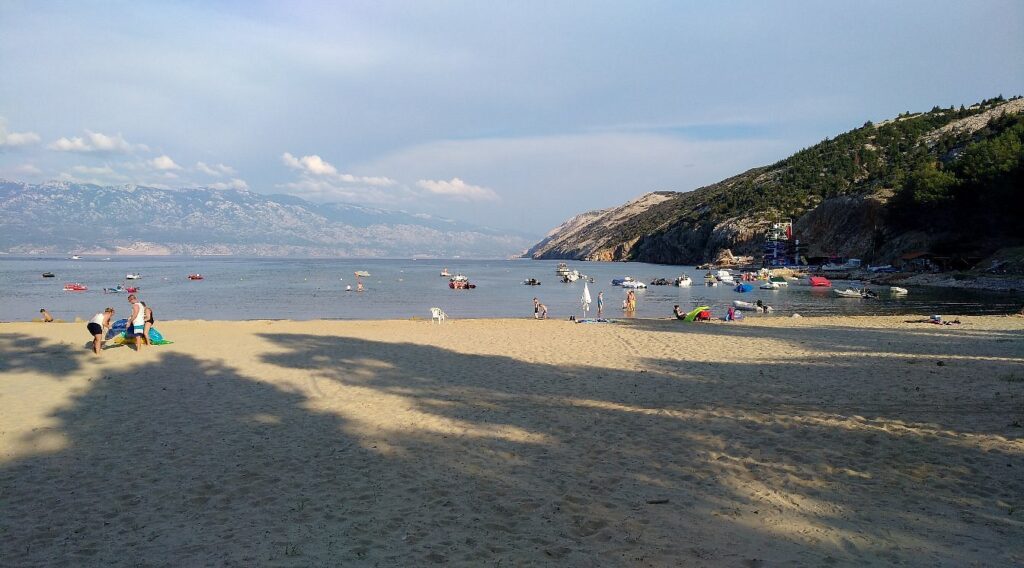
Croatia is famous for pebbly beaches, which are gorgeous but not always toddler-friendly. Paradise Beach in Lopar is the sandy exception families dream about. It has soft sand, shallow water, warm conditions, and enough beach infrastructure to make a full day easy. Plus, Croatia has the added benefit of not being quite as expensive as some of Europe’s more tourist-trod countries.
The water stays shallow for a long distance, which is why Lopar is repeatedly recommended for families with small kids and non-swimmers. Local tourism sources note that the shallow sandy seabed warms quickly and creates a long swimming season from May into October. (Turistička zajednica općine Lopar)
Playgrounds nearby: Paradise Beach and the Lopar resort area have family activities, play equipment, slides, and beach entertainment. Traveler reviews also mention playgrounds, paid parking, and shallow water right by the beach. (Tripadvisor)
Kid-friendly attractions nearby: Rent pedal boats, try mini golf, take a glass-bottom boat, or explore other Rab beaches. Older kids may enjoy easy coastal walks and snorkeling around rockier coves nearby.
Lunch or snack: Beach restaurants are convenient, but bring fruit, water, and bakery snacks. Croatian beach snacks tend to be simple and satisfying: burek, sandwiches, grilled meats, fries, and ice cream.
Cultural dos and don’ts: Croatia’s coast is relaxed but practical. Water shoes are still useful even on sandy beaches because nearby coves may be rocky. Don’t assume all Croatian beaches are sandy; this one is special. Also, shade is precious. Claim it early without sprawling across half the beach.
Transport and parking: You will likely arrive on Rab by ferry and then drive or bus to Lopar. Paradise Beach has paid parking nearby, but it fills in high season. (Tripadvisor) If staying in Lopar, walking is much easier than moving the car daily.
Responsible travel note: Croatia’s islands are under pressure in summer. Stay longer rather than day-tripping hard, use local guesthouses and restaurants, and avoid damaging dunes or nearshore habitats.
8. Amager Strandpark in Copenhagen, Denmark
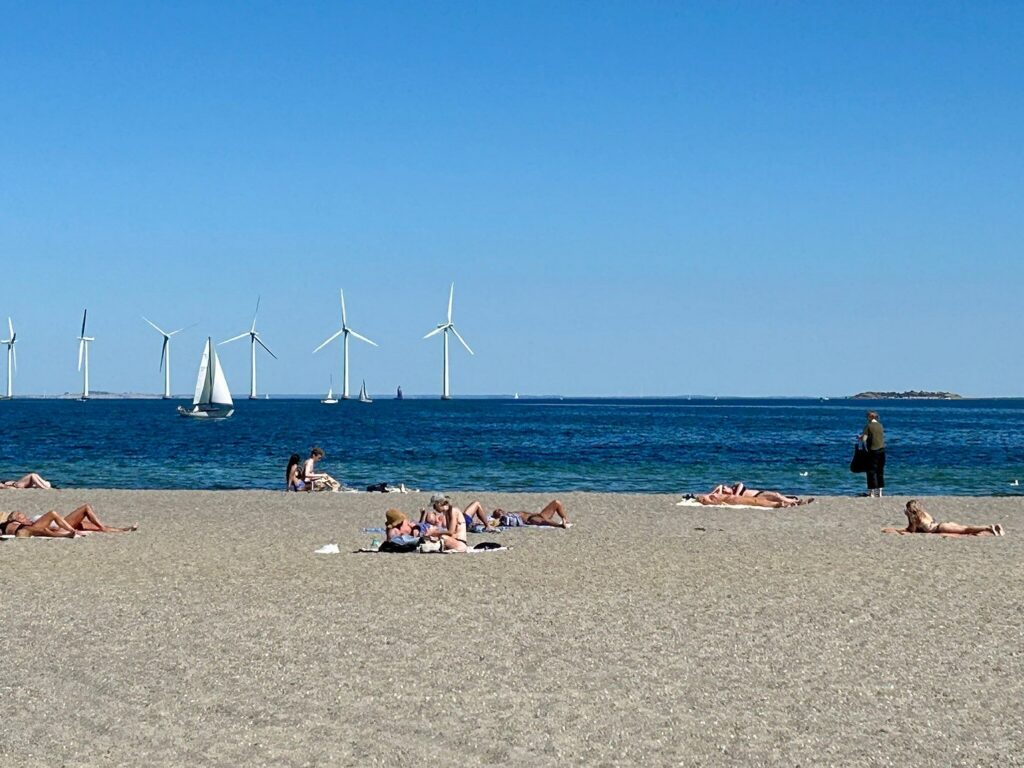
Amager Strandpark is the cool Scandinavian wildcard on this list. It is not Mediterranean, and that is the point. This is a city beach with Danish design energy: cycling paths, clean water, dunes, a lagoon, picnic areas, ball-play spaces, and views toward offshore wind turbines. Very Copenhagen. Very functional. Why doesn’t every city do this?
For kids, Amager is brilliant because it combines beach play with urban ease. You can swim, scoot, bike, picnic, play in the sand, and be back in central Copenhagen quickly. The park has several beach zones, including a lagoon area that can feel gentler for younger kids.
Playgrounds nearby: The beach park itself has open play spaces, paths, and areas for ball games and picnics. Nearby Copenhagen neighborhoods also have excellent playgrounds, and Danish playground design is famously good.
Kid-friendly attractions nearby: Pair the beach with the Blue Planet aquarium, a canal tour, Reffen food market, or a bike ride through Christianshavn. Copenhagen is expensive, but outdoor days like this help keep the budget sane.
Lunch or snack: Pack a picnic: rye bread, cheese, fruit, pastries, and juice. Or go Danish with smørrebrød and cinnamon buns. Kids will not complain about a bakery stop. Nobody complains about a bakery stop.
Cultural dos and don’ts: Danish families are outdoorsy in all weather, so don’t wait for a perfect beach day. Bring layers. Don’t block bike lanes, ever. Seriously, the bikes are not playing. Also, nudity and changing norms can be more relaxed in Scandinavia than in the U.S.; just be cool and don’t stare.
Transport and parking: Public transport is the move. The beach is reachable by metro, with Amager Strand station a short walk away. (Agoda) Other local guides mention multiple M2 metro stops within walking distance, including Amager Strand and Øresund. (Facebook) There is parking, including at the southern end of the park, but biking or metro is much easier. (Wikipedia)
Responsible travel note: Amager is a model of urban coastal access. Arrive by bike or metro, use reusable picnic gear, and point out the wind farm to kids as a real-life sustainability lesson.
More for families?
Check out Cerca’s family friendly guide episodes titled “Play Here” – London, Los Angeles, Barcelona and more…